Want to be in the loop?
subscribe to
our notification
Business News
VIETNAMESE COMPANIES OPTIMISTIC ON INTERNATIONAL GROWTH
Vietnamese businesses are among the most confident about the outlook for international trade, according to HSBC’s Global Trade Pulse Survey 2026, released on November 16.
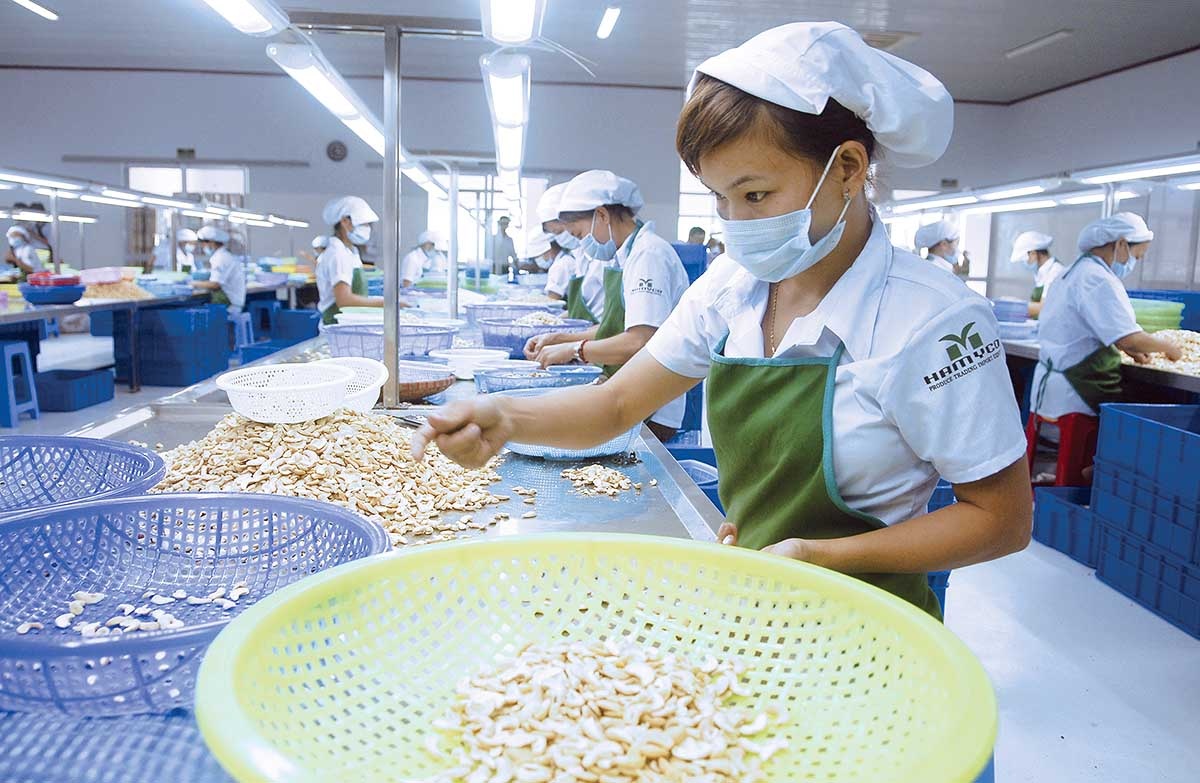
Photo: baodautu.vn
The survey captures the views of 10,000 senior business leaders across 26 markets on trade, tariffs, supply chains, and technology.
Findings show that 94 per cent of Vietnamese businesses expect their international trade to grow over the next two years. Vietnam ranks joint top in the survey with the Philippines, compared with 86 per cent globally.
The survey also highlights the cost pressures facing businesses in the market. Tariffs are the most commonly cited cost factor among Vietnamese respondents, identified by 52 per cent, compared with 43 per cent globally. Energy costs follow at 49 per cent, versus 44 per cent globally.
Despite these pressures, Vietnamese businesses report positive outcomes from changes made to their supply chains. Ninety per cent say these changes have improved cash flow and working capital, higher than the global figure of 78 per cent. Almost all respondents (97 per cent) say their actions in response to trade uncertainty and disruption have been effective, compared with 86 per cent globally.
The survey also points to the importance of trade agreements and regional networks. Nearly all Vietnamese businesses surveyed (99.6 per cent) use at least one free trade agreement (FTA), compared with 95 per cent globally. However, 97 per cent report that barriers remain to using FTAs more extensively, compared with 92 per cent globally.
The most common markets in which Vietnamese businesses are increasing their reliance are Vietnam itself, at 50 per cent, followed by Singapore at 46 per cent and Thailand at 41 per cent.
Malaysia is the market most frequently identified as increasing its reliance on Vietnam, at 32 per cent, followed by Thailand at 31 per cent, and Singapore and South Korea at 29 per cent each.
Globally, energy costs were the highest-ranked factor affecting businesses' cost bases over the past six months (44 per cent of respondents), followed by tariffs (43 per cent) and freight (41 per cent). These pressures are expected to persist. Sixty-eight per cent of business leaders say they have already experienced higher overall costs, 72 per cent expect costs to rise further over the next two years, and 59 per cent report higher working capital requirements since 2025.
In addition to increased expenditure, uncertainty is also weighing on revenues, with 92 per cent of respondents expecting supply chain delays or disruption to affect their revenues over the next two years.
Global businesses are taking practical steps to protect margins and remain competitive. Improving efficiency and productivity is the most common response to rising costs, cited by 53 per cent of business leaders, followed by renegotiating supplier arrangements (43 per cent), absorbing costs into profit margins (38 per cent), and passing costs on to customers (36 per cent).
Source: VIR
Related News
GARMENT / TEXTILE
TEXTILE, GARMENT FIRMS REFORM TO MEET CPTPP ORIGIN RULES
Vietnamese textile and garment manufacturers are aggressively restructuring their supply chains and diversifying material sources to unlock untapped tariff benefits. To capitalise on the Comprehensive and Progressive Agreement for Trans-Pacific Partnership (CPTPP), companies are racing to align with the pact's strict "yarn-forward" rules — a task made difficult by a shortage of raw materials within the trade bloc.

MEMBER CORNER / PROMOTIONS
COSMOPARK ECO INDUSTRIAL ZONE – LONG-TERM ADVANTAGES FOR INDUSTRIAL INVESTORS IN VIETNAM
Spanning 322.3 hectares, with a project operational term extending to 2095 and plans for large-scale power infrastructure, COSMOPARK Eco Industrial Zone offers a strong foundation for manufacturing, high-tech industries, and international supply chain development. As global supply chains continue to evolve, Vietnam is strengthening its position as a strategic destination for international businesses seeking to diversify their manufacturing operations.
INFRASTRUCTURE / CONSTRUCTION / LOGISTIC / PORT
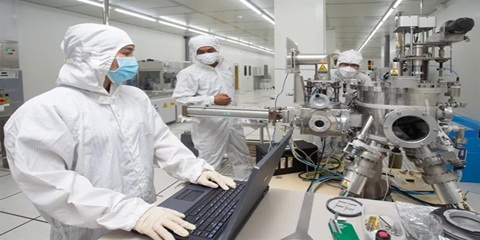
HCM CITY ACCELERATES POWER INFRASTRUCTURE INVESTMENT TO ATTRACT HIGH-TECH CAPITAL
High-tech projects, particularly data centres, are not confined to SHTP but are also expanding into export processing zones and industrial parks across HCM City, driving up electricity demand. Proactively developing power infrastructure, diversifying energy supplies and expanding access to green energy are becoming essential for HCM City to maintain its competitive edge in attracting high-tech foreign direct investment (FDI).
VIETNAM ECONOMY INVESTMENT
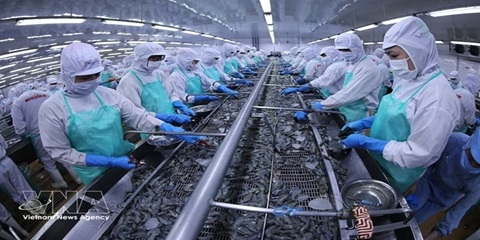
VIETNAMESE SEAFOOD EXPORTS CLOSE IN ON $12 BLN RECORD
Việt Nam remains well placed, with seafood sold in most countries and accepted in premium markets on the back of deep-processing capacity and a broad product mix. Việt Nam’s seafood exports kept up double-digit growth in the first 10 months of 2026, reaching nearly US$10.5 billion, up more than 12 per cent from a year earlier. That gives the sector new momentum into year-end when holiday demand climbs in western and Asian markets.
TECHNOLOGY
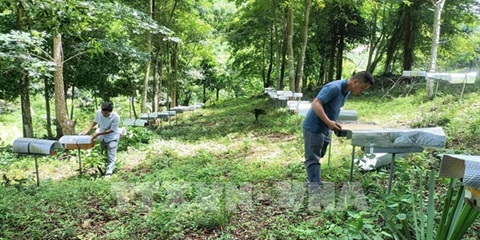
ĐÀ NẴNG SEEKS TO BUILD HIGH-TECH AGRICULTURE, INTEGRATED VALUE CHAINS
Đà Nẵng is seeking to transform its agricultural sector from a supplier of raw materials into a technology-driven, market-oriented economy, with investment opportunities spanning concentrated production areas, deep processing, logistics and agricultural product distribution. The city aims to shift from traditional agricultural production towards agricultural economic development, organising value chains and increasing the technological content and added value of products through closer links between production and processing.
TECHNOLOGY
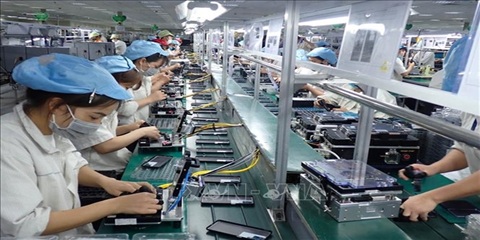
VIỆT NAM'S DIGITAL TECHNOLOGY INDUSTRY REVENUE SURGES 53% TO $254.6B
Việt Nam's digital technology industry generated an estimated US$254.6 billion in revenue in the first 10 months of 2026, up 53 per cent from a year earlier, while exports rose 46.2 per cent to $212 billion, the Ministry of Science and Technology said in its latest report. According to the report, hardware and electronics exports reached an estimated $30.681 billion in October, up 108 per cent from the same month last year.
Events Sponsors