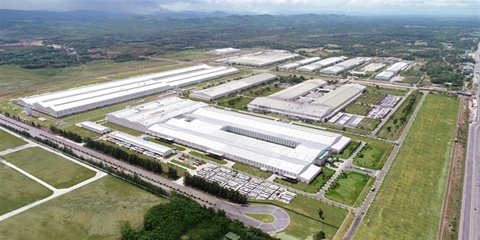
ĐÀ NẴNG GREEN-LIGHTS US$105 MILLION THAI DEVELOPMENT DEAL
The central city has approved an investment proposal by Thailand’s WHA Group to develop infrastructure for the 400ha WHA Đà Nẵng Industrial Park project on two communes of Thăng Bình and Đồng Dương, with an investment of more than VNĐ2.7 trillion (US$105 million). The city said it approved WHA Industrial Development International's status as an investor in the project, which is expected to take place between 2027 and 2034.
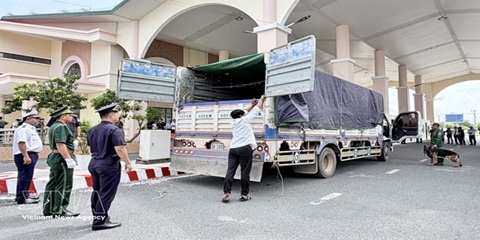
VIỆT NAM-CAMBODIA TRADE GATHERS PACE TOWARDS $20 BILLION TARGET
Trade between Việt Nam and Cambodia continues to grow, remaining a bright spot and a key pillar of bilateral cooperation as the two countries aim to raise two-way trade to US$20 billion in the coming years. After setting a record of more than $11.3 billion last year, bilateral trade reached about $8.7 billion in the first eight months of this year, up 8.3 per cent year on year.
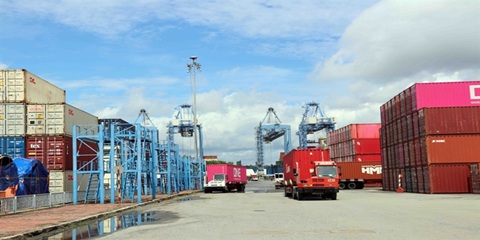
VIỆT NAM RETURNS TO TRADE SURPLUS IN SEPTEMBER BUT NINE-MONTH DEFICIT PERSISTS
Việt Nam returned to a goods trade surplus in September after nine consecutive months of deficit, but remained in a US$19.42 billion deficit for the first nine months of this year, the National Statistics Office (NSO) said in its socio-economic report on October 3. The country posted a trade surplus of $1.27 billion in September, with total trade of goods reaching $117.69 billion, up 7.3 per cent from August and 42.4 per cent from the same month last year.
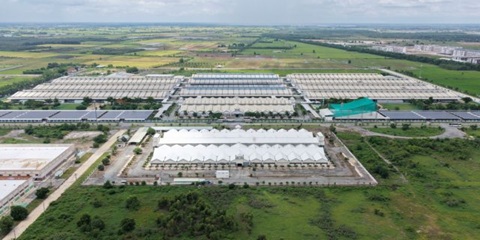
VIỆT NAM EYES TO UNLOCK BORDER GATE ECONOMIC GROWTH
The development of the Mộc Bài Border Gate Economic Zone in southern Tây Ninh Province and the planned cross-border economic cooperation zone at Lào Cai International Border Gate aims to promote socioeconomic development, cross-border trade and new space for economic growth.
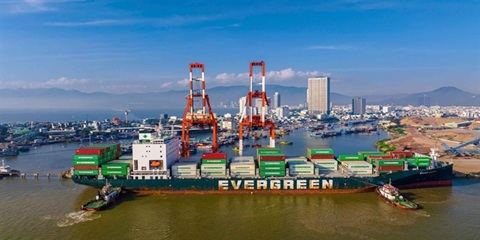
CUTTING LOGISTICS COSTS KEY TO BOOSTING EXPORTS
Reducing costs has become an increasingly urgent priority for import-export activities, particularly logistics costs, a conference in Hà Nội was told on Tuesday. According to Deputy General Director of the Ministry of Industry and Trade's Agency for Foreign Trade, Trần Thanh Hải, import-export activities has remained a bright spot for the economy in recent years, playing an important role and helping drive macroeconomic growth.

DOMESTIC DEMAND DRIVES STEEL GROWTH AS CONSTRUCTION GATHERS PACE
The steel industry recorded double-digit growth in both production and sales in the first seven months of 2026, while export remained more subdued, highlighting the increasing importance of domestic demand as public investment and construction activity expand. According to the World Steel Association, Việt Nam produced around 15.2 million tonnes of crude steel in the first half of 2026, up 26.9 per cent year-on-year, keeping the country among the world's 10 largest steel producers.
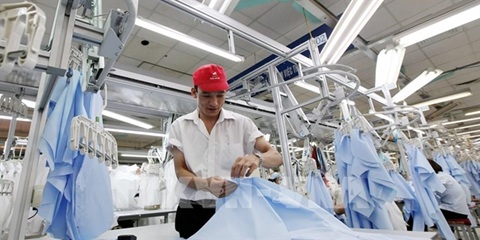
HÀ NỘI'S BUSINESSES URGE ACTION ON CAPITAL, LOGISTICS BOTTLENECKS TO BOOST EXPORTS
Business associations and enterprises in Hà Nội have urged the city to tackle bottlenecks in financing, logistics, infrastructure and regulations to improve competitiveness, expand production and support export growth, as the capital seeks to sustain double-digit economic expansion. Mạc Quốc Anh, vice chairman and secretary general of the Hanoi Association of Small and Medium Enterprises (Hanoisme), said exports were not simply about selling goods overseas but also reflected a company's production capacity, management, ability to meet international standards and reputation.
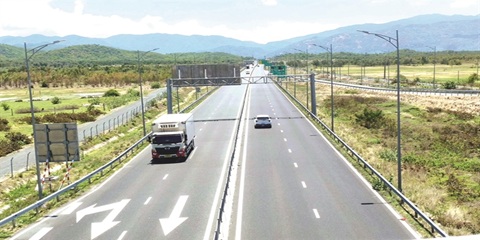
LÂM ĐỒNG BUILDS TRANSPORT INFRASTRUCTURE AS FOUNDATION FOR GROWTH
With its mountains, highlands and long coastline brought together under one administrative roof, the enlarged Lâm Đồng is now Việt Nam’s largest province by area – and a place where stronger transport links could help turn its diverse economic strengths into a more integrated engine of growth. Against this backdrop, the province is prioritising an integrated transport network to strengthen regional connectivity, expand development space and lay the foundation for sustainable socio-economic growth.






















