Want to be in the loop?
subscribe to
our notification
Business News
VIETNAM'S REMARKABLE REBOUND AMID GLOBAL UNCERTAINTIES
With its strong growth rates and expanding infrastructure, Vietnam has positioned itself as an attractive destination for European businesses looking to expand in the region.
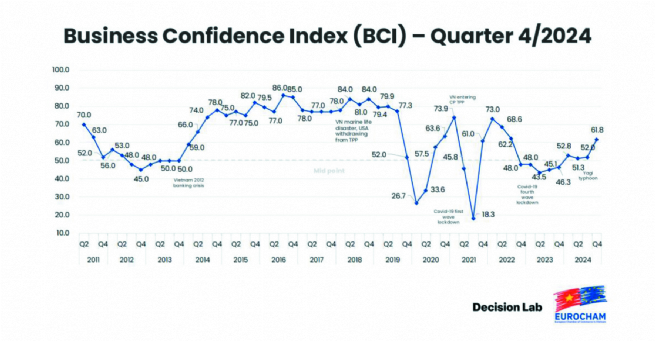
The latest Business Confidence Index (BCI) from EuroCham Vietnam, covering Q4 2024, reflects a notable rise in business sentiment, showcasing resilience amid global uncertainties. The BCI surged to 61.8, a significant leap from 46.3 in the previous year, indicating renewed optimism from European businesses operating in Vietnam.
The BCI score surged from 46.3 in Q4 2023 to 61.8 in Q4 2024, marking a pivotal shift from a neutral to a positive sentiment in both current and future outlooks. This surge comes despite ongoing operational hurdles and global economic uncertainties. Vietnam’s strong performance is, in part, attributed to the country’s continued growth trajectory, its improving infrastructure, and its emergence as a regional hub for both trade and investment.
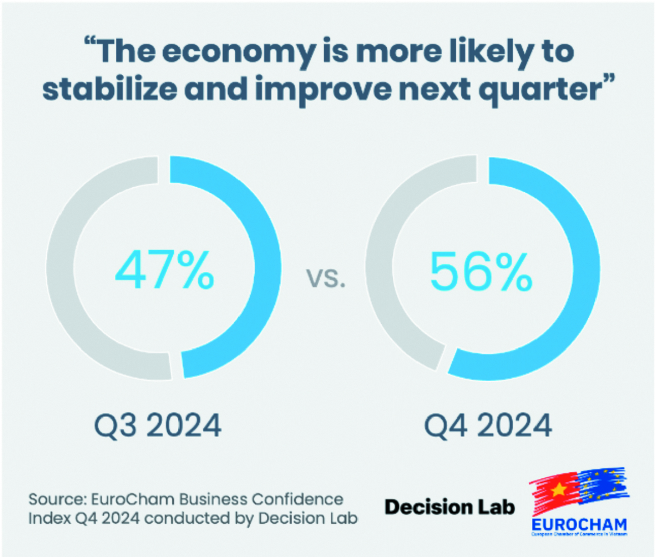
For much of the past two years, the BCI hovered around the neutral midpoint of 50, dipping below it on occasions. The Q4 2024 report, however, marks a pivotal shift as the score reached its highest level since early 2022. According to the survey, 42% of respondents reported feeling positive about the current business situation, with 47% anticipating similarly optimistic conditions for the upcoming quarter. More prominently, 56% of respondents foresee improvements in Vietnam’s macroeconomic outlook in the first quarter of 2025.
“This is a clear sign that European businesses are increasingly confident about Vietnam’s economic future,” said Bruno Jaspaert, Chairman of EuroCham Vietnam. “This clear rise in sentiment reflects a broader recognition of the country’s ongoing political and economic transformation it has seen over the past years. The country’s GDP growth confirms its position as a central player in Southeast Asian regional trade and investment.”
Rising as a key investment destination
Perhaps most notably, 75% of survey respondents indicated they would recommend Vietnam as an investment destination. This data underscores the growing recognition of Vietnam’s strategic importance as an investment hub within Southeast Asia. With its strong growth rates and expanding infrastructure, Vietnam has positioned itself as an attractive destination for European businesses looking to expand in the region.
“The growing confidence in Vietnam as an investment destination is a testament to the country’s solid foundations in both trade and economic policy,” remarked EuroCham’s Chairman. “Despite the global challenges, Vietnam’s positive investment climate is creating new opportunities for European companies, especially in key sectors like technology, manufacturing, tourism and renewable energy.”
Thue Quist Thomasen, CEO of Decision Lab, echoed these sentiments: “A significant portion of businesses indicated plans to expand their operations in Vietnam. Approximately one out of four member companies are considering partnerships with Vietnamese suppliers or service providers, and more than one-fifth of the respondents are looking to expand their footprint in the country. Another 30% are looking to increase their import/export operations and/or shift production to Vietnam. This move aligns with Vietnam’s successful geopolitical positioning amid global trade shifts, particularly in light of recent disruptions to global supply chains.”
Vietnam’s status as an emerging leader in sustainable development and digital transformation further enhances its investment appeal. Many respondents highlighted the country’s dual transformation in green and digital sectors as pivotal. Businesses that embraced these transitions reported notable revenue growth, with some recording a 40% increase compared to the previous year.
Operational challenges remain, but restructuring efforts bring hope
While the overall sentiment is positive, operational challenges continue to be a significant concern for European businesses in Vietnam. As in previous surveys, the top three operational obstacles identified were administrative burdens, unclear regulations, and difficulties in obtaining licenses and permits. The complexities of visa requirements for foreign workers and experts topped the list of administrative challenges, with 42% of responses highlighting this as a primary concern. Tax-related issues, including VAT refunds, were also cited by 30% of respondents, with further challenges related to import/export and investment registration procedures.
“Vietnam is at a critical juncture,” noted Chairman Jaspaert. “These ongoing administrative hurdles challenge business operations, but we are optimistic about the government’s determination to create a more conducive environment. Initiatives such as the steering committee for government restructuring show promise. At EuroCham, we strive to contribute best practices and counsel to debottleneck the current issues. Our annual WhiteBook will focus specifically on these matters and offer implementations to overcome them.”
In November 2024, Prime Minister Pham Minh Chinh announced the formation of a steering committee to restructure Vietnam’s government system. The goal of this initiative is to improve efficiency, decentralize administrative functions, and strengthen local accountability.
Many respondents to the survey expressed optimism that these reforms would lead to significant improvements in administrative processes, with 43% expecting streamlined procedures in the long term, particularly with the adoption of digital platforms and reduced paperwork requirements. However, 36% of respondents also expressed concerns about potential delays in processing applications during the restructuring phase. Despite these challenges, the government’s commitment to digital transformation and e-governance was viewed as a positive step forward by a significant portion of the business community.
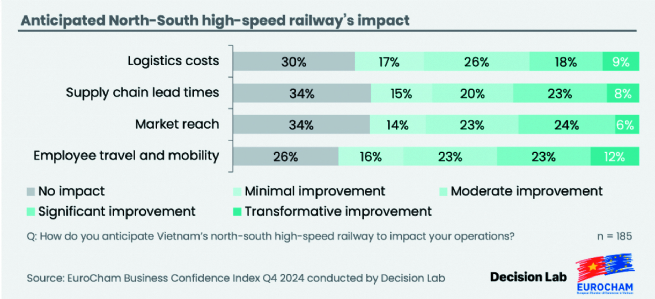
Infrastructure remains another key focus area, with projects such as the North-South high-speed railway and Long Thanh International Airport expected to bolster Vietnam’s logistical capabilities. These developments are set to reduce costs, improve supply chain efficiency, and enhance overall business competitiveness.
Vietnam’s resilience following Typhoon Yagi further exemplifies its capacity to navigate adversity. Despite significant disruption, European businesses reported a swift recovery, with many implementing new risk management strategies to mitigate future disasters.
Looking ahead, Vietnam’s economic prospects remain bright. With continued reforms, expanding infrastructure, and an ever-growing focus on sustainability, the nation is poised to solidify its status as a leading investment destination in Southeast Asia. European businesses are set to play a vital role in this journey, driving innovation, and contributing to Vietnam’s long-term prosperity.
Source: VCCI
Related News

BANKING / FINANCE / INSURANCE / TAX
REMITTANCES TO HCM CITY RISE NEARLY 40% IN Q3
Remittances to HCM City reached more than US$2.83 billion in the third quarter of this year, up 39.5 per cent from the previous quarter and 3.6 per cent year-on-year. This was the first quarter showing positive annual growth this year, helping narrow the decline in remittance inflows over the first nine months. According to the State Bank of Vietnam (SBV)’s Regional Branch 2, remittances transferred to HCM City through credit institutions and economic organisations totalled $2.835 billion in Q3, an increase of more than $802 million from the previous quarter.
TECHNOLOGY
TECH SECTOR GROWTH OPENS UP OPPORTUNITIES FOR VIỆT NAM TO GO GLOBAL
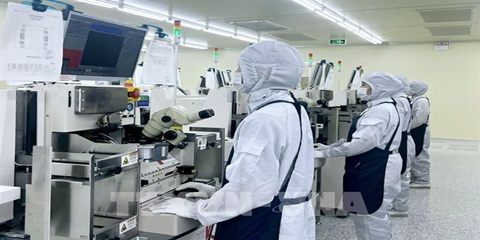
The growth of the electronics, semiconductor and high-tech sectors worldwide is opening up a variety of opportunities for Vietnamese enterprises to integrate more deeply into the global supply chain. However, to become suppliers for these corporations, domestic enterprises must meet rigorous standards regarding quality, technology, productivity and order fulfilment capabilities.
VIETNAM ECONOMY INVESTMENT
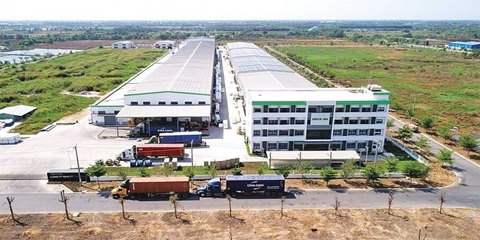
FOREIGN INVESTORS SEEKING A SYNCHRONISED MANUFACTURING ECOSYSTEM
Instead of focusing only on land costs and incentives as usual, foreign investors are seeking a synchronised manufacturing ecosystem, from stable power supply and logistics to shared infrastructure and the convenience of completing residence procedures for experts to serve their long-term investment in the country.
MEMBER CORNER / PROMOTIONS
SENTRYSAFE FHW40200 – PROTECT YOUR VALUABLES, ENJOY PEACE OF MIND!
Looking for a reliable solution to protect your important documents, cash, and valuables from fire and water damage? Genuine SENTRYSAFE - Reliable protection for your valuables and peace of mind! Contact Sen Wai Vietnam for more information and personalized product recommendations.
PROPERTY / INDUSTRIAL ZONE
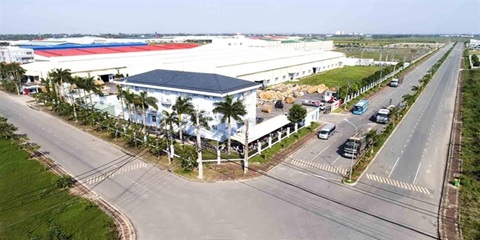
HCM CITY ATTRACTS US$5.7 BILLION INTO EXPORT PROCESSING AND INDUSTRIAL ZONES
HCM City attracted US$5.7 billion in domestic and foreign investment into its export processing and industrial zones during the first nine months of 2026. The figure exceeded the city's full-year target by 31 per cent, highlighting strong momentum in high-quality industrial investment under Resolution No.10-NQ/TW. Total investment reached 131 per cent of the 2026 target of $4.25 billion and represented a 29 per cent increase compared with the same period in 2025, according to the city's Export Processing and Industrial Zones Authority (HEPZA).
INFRASTRUCTURE / CONSTRUCTION / LOGISTIC / PORT
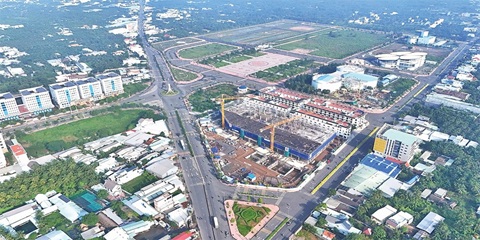
DONG THAP PROVINCE STEPS UP INDUSTRIAL EXPANSION AND INFRASTRUCTURE CONNECTIVITY
Accelerating public investment, strengthening inter-regional connectivity, and expanding industrial land are helping Dong Thap efficiently bolster competitiveness and drive economic growth. Following the 2025 merger of the former Dong Thap and Tien Giang provinces, the expanded Dong Thap province in the Mekong Delta faces mounting pressure to accelerate infrastructure development and strengthen connectivity among local economic zones, urban areas, industrial parks (IPs), and production centres.
Events Sponsors






















