Want to be in the loop?
subscribe to
our notification
Business News
TECHNOLOGY ASSESSMENT IN THE CONTEXT OF INNOVATION AND GREEN TRANSFORMATION
Vietnam's new vision on strategic foreign direct investment means that the work of Vinacontrol Group in terms of technology assessment is deemed more vital than ever.
Vinacontrol Group is currently one of only two organisations nationwide designated by the Ministry of Science and Technology to conduct technology assessment under Decision No.29/2023/QD-TTg, placing it at the centre of a process that increasingly determines whether an investment project can proceed, be adjusted, or be extended. That designation carries weight precisely because the stakes for enterprises are rarely abstract.
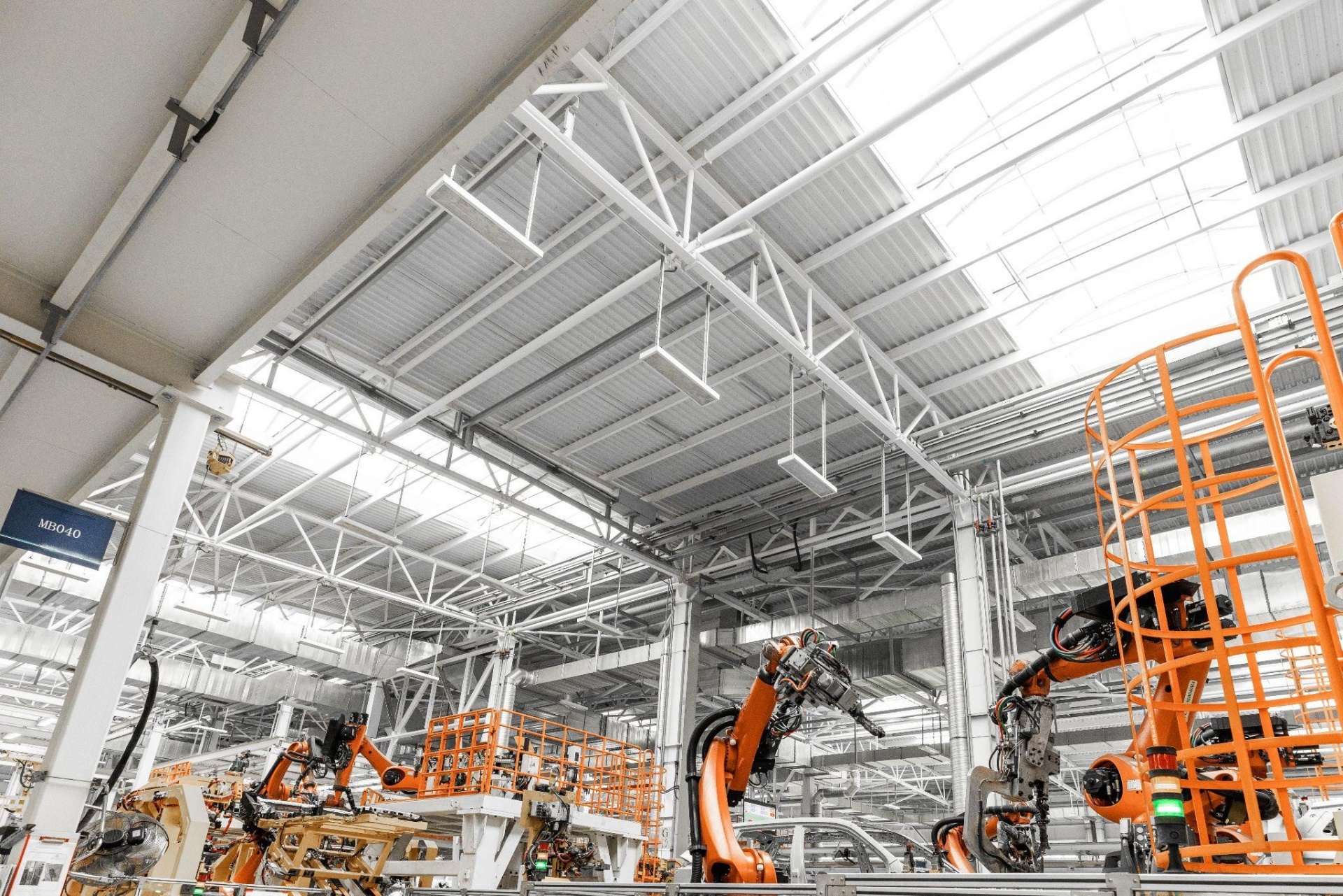
As green innovation reshapes the industrial sector, production assets have become the ultimate test of operational compliance, environmental responsibility, and long-term competitiveness.
Resolution No.10-NQ/TW, issued in June, marks a shift in thinking. Vietnam will no longer pursue foreign investment by sheer volume; capital must now carry core technology, contribute to innovation-led growth, and be governed across its full lifecycle. For enterprises, this recalibration is felt most directly in licensing, financing, and supply chain audits.
Equipment that is poorly documented or energy-intensive may deliver short-term output, yet it equally invites operational issues, regulatory rejection, and diminished trust among lenders and global buyers. Enterprises are required to demonstrate not merely the age of their machinery, but its integrity, safety, and efficiency.
Within this broader policy framework, Decision No.29/2023/QD-TTg sets out the dossier, sequence, and procedures for determining whether an investment project uses outdated technology, poses potential environmental pollution risks, or consumes resources inefficiently.
In practice, enterprises seeking project adjustment, extension, or regulatory confirmation must prepare reliable technical evidence to demonstrate the actual status of their machinery and technological lines, rather than relying on self-declaration.
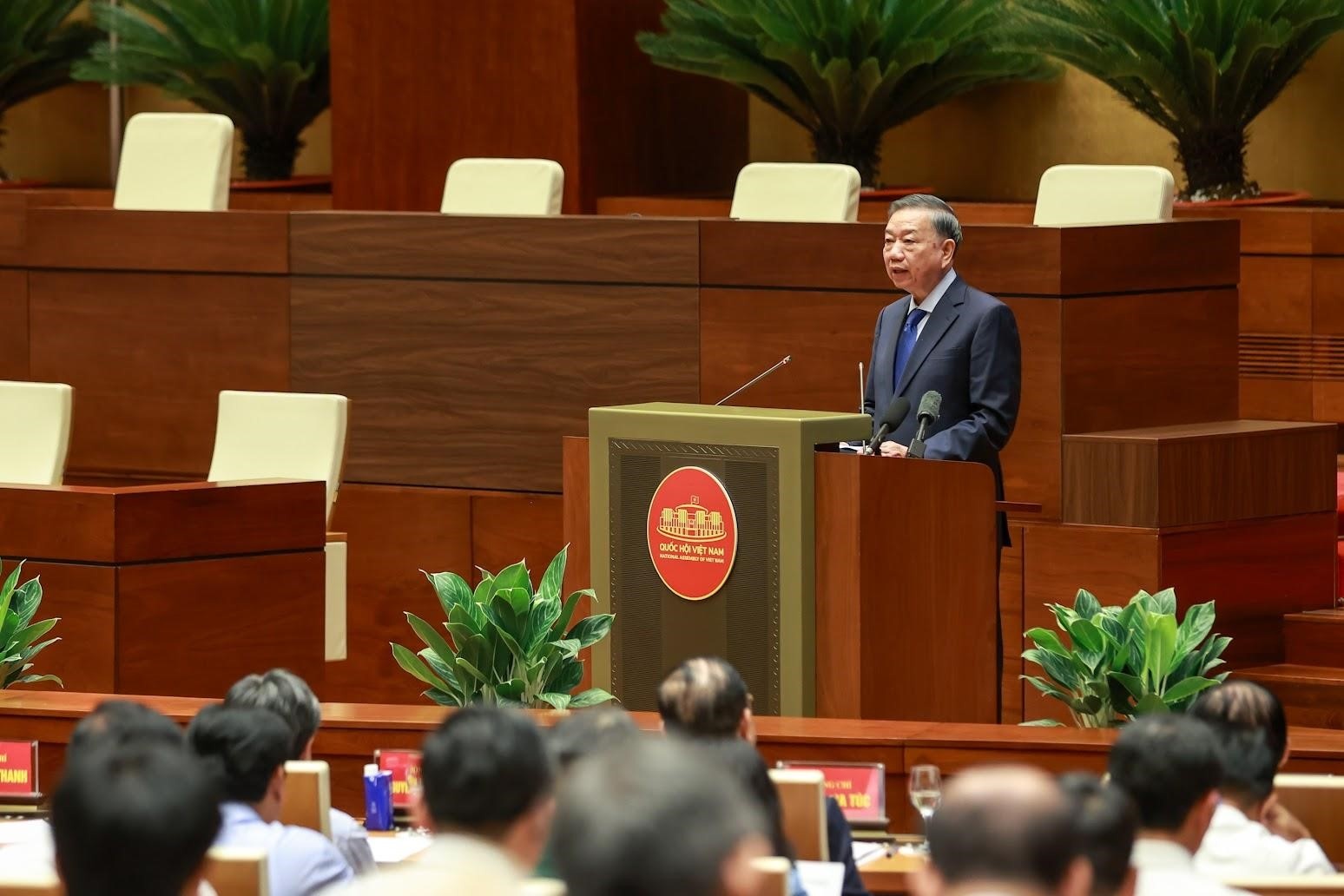
General Secretary and President To Lam directed Congress to fully implement Resolution No.10-NQ/TW.
Photo: Vietnam Government Portal
Administrative facilitation, however, is not to be mistaken for a compromise on quality. Earlier this year, Vietnam has cut expert review timelines for used machinery imports from 10 working days to five.
From Vinacontrol's perspective as an independent conformity assessment body, this shift establishes a more exacting regulatory balance. Legitimate production moves faster, yet the burden of proof has grown correspondingly heavier, requiring precise and defensible technical evidence to be in place from the very outset.
Amid this tightening regulatory landscape, not every organisation is positioned to guide enterprises through it. Consider a manufacturer in the textile industry, operating in the northeastern province of Quang Ninh, that approached Vinacontrol as its project neared the deadline for an extension licence, with no documented proof on hand that its production line still met current technology standards.
Vinacontrol's engineers set to work reconstructing that proof from the ground up. They pored over the enterprise's technical dossier, equipment manuals, engineering drawings, operating parameters, and maintenance logs, before heading to the factory floor to see for themselves how the machinery had actually held up: its wear and depreciation, its year of manufacture, how much energy it consumed, and whether its emissions still sat within environmental limits.
That fieldwork fed directly into a technical assessment plan and a round of formal measurement, and once the findings were weighed against Vietnam's technology classification criteria, they were distilled into an official inspection certificate in the prescribed format, a process that, depending on how large and complex the project is, generally unfolds over 15-30 working days.
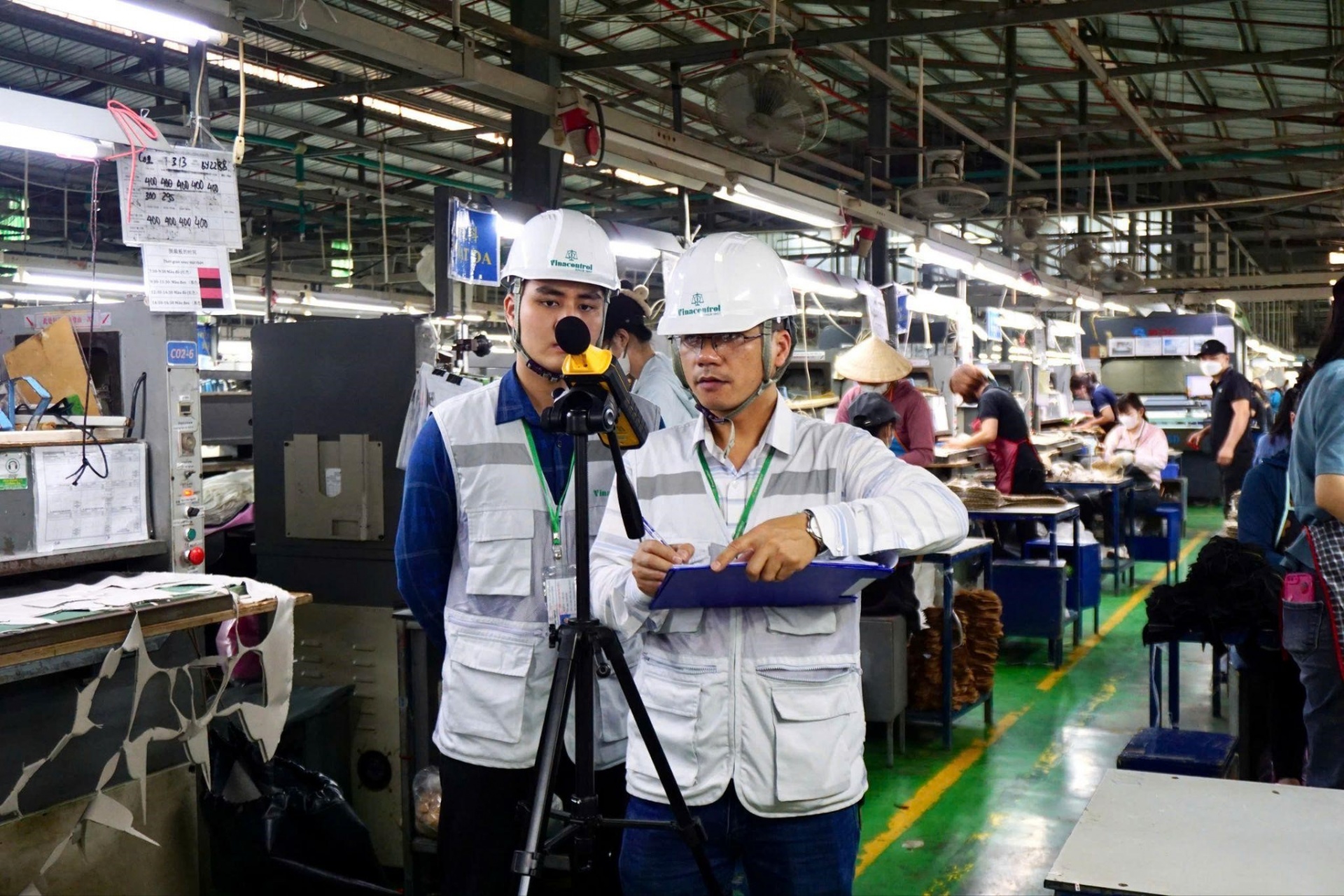
Vinacontrol experts conducting on-site inspection. Photo: Vinacontrol
The enterprise, racing against its own deadline, came away with exactly the evidence it needed and secured approval for its project extension.
Had that certification arrived too late, the consequences would have reached well beyond a paperwork delay: production would have been forced to a halt, shipments to international buyers already committed under signed contracts would have slipped, and the enterprise would have been left exposed to cancellation claims and damages.
By its own estimate, timely certification spared the company losses in the region of $1.4 million, a figure that says as much about the stakes of technology assessment as any regulation could.
Vinacontrol says that enterprises with the best odds of winning a licence extension are the ones that start looking inward long before they start filling out forms. That means taking an honest look at the technological line, machinery, and equipment already in operation and measuring it against the criteria for outdated, energy-intensive, or polluting technology.
Where that review turns up equipment carrying real risk, the smart move is to plan its replacement or upgrade well ahead of submission, not scramble to justify it afterwards, the group added.
Source: VIR
Related News

CHARITY / EXHIBITION / OTHER EVENTS
INVESTMENT OPPORTUNITIES IN CA MAU PROVINCE: 96 PROJECTS AND 20 STRATEGIC PROJECTS
We are pleased to share with you information on investment projects currently seeking investors in Ca Mau Province. Should your esteemed company or association be interested, we kindly invite you to review the project information and complete the registration form via the links provided. The Ho Chi Minh City Investment and Trade Promotion Centre (ITPC) will consolidate the expressions of interest and facilitate connections with the leadership of Ca Mau Province at a meeting tentatively scheduled for 13 November 2026 in Ho Chi Minh City.

MEMBER CORNER / PROMOTIONS
BẰNG KIỀU LIVESHOW - A SYMPHONY OF LOVE UNDER THE GOLDEN GLOW
A masterclass in live music that takes the audience on a soulful journey through immortal love songs, guided by the peerless artistry and emotive storytelling of renowned singer Bằng Kiều. The highlight of the night is his seamless musical chemistry with special guest Triệu Hồng Ngọc, promising passionate and deeply resonant duets inside the magnificent Grand Ballroom.
INFRASTRUCTURE / CONSTRUCTION / LOGISTIC / PORT
ĐÀ NẴNG GREEN-LIGHTS US$105 MILLION THAI DEVELOPMENT DEAL
The central city has approved an investment proposal by Thailand’s WHA Group to develop infrastructure for the 400ha WHA Đà Nẵng Industrial Park project on two communes of Thăng Bình and Đồng Dương, with an investment of more than VNĐ2.7 trillion (US$105 million). The city said it approved WHA Industrial Development International's status as an investor in the project, which is expected to take place between 2027 and 2034.
VIETNAM ECONOMY INVESTMENT
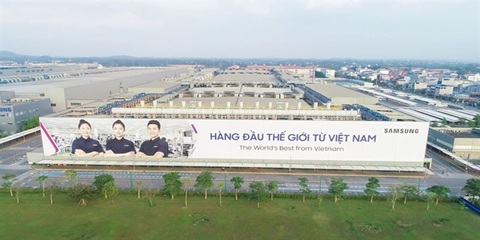
MOBILE PHONE EXPORTS RISE 20% TO $51.8 BILLION IN FIRST NINE MONTHS
Exports of mobile phones and components rose 20 per cent year-on-year to nearly US$51.8 billion in the first nine months of 2026, with China, the US and Republic of Korea accounting for more than half of the total. Shipments to the three markets reached a combined $26.18 billion, or 50.6 per cent of total exports of the product group during the period, according to data from the Vietnam Department of Customs under the Ministry of Finance.
INFRASTRUCTURE / CONSTRUCTION / LOGISTIC / PORT
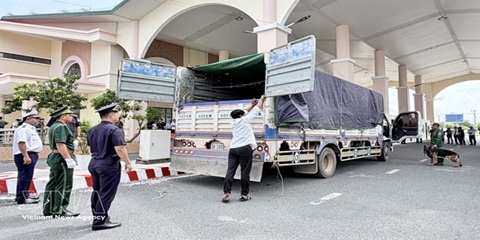
VIỆT NAM-CAMBODIA TRADE GATHERS PACE TOWARDS $20 BILLION TARGET
Trade between Việt Nam and Cambodia continues to grow, remaining a bright spot and a key pillar of bilateral cooperation as the two countries aim to raise two-way trade to US$20 billion in the coming years. After setting a record of more than $11.3 billion last year, bilateral trade reached about $8.7 billion in the first eight months of this year, up 8.3 per cent year on year.
VIETNAM ECONOMY INVESTMENT
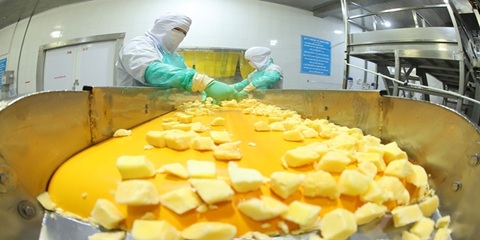
FRUIT AND VEGETABLE EXPORTS POISED TO HIT $10 BILLION IN 2026
Fruit and vegetable exports are on track to reach nearly US$10 billion in 2026, after rising 19.9 per cent year on year to nearly US$7.4 billion in the first nine months, driven by strong seasonal demand and abundant tropical fruit supplies. The Ministry of Agriculture and Environment said the growth reflected stronger international demand for fresh produce and processed agricultural products.
Events Sponsors






















