Want to be in the loop?
subscribe to
our notification
Business News
VIETNAM BOASTS OPPORTUNITIES TO ATTRACT GLOBAL HIGH-NET-WORTH INVESTMENT
Against a rapidly changing geopolitical and economic backdrop, global wealth flows continue to evolve as high-net-worth individuals (HNWIs) and businesses take a more holistic approach to location. Vietnam is emerging as a promising destination, but it must seize the moment with improved policy framework, infrastructure, and living standards.
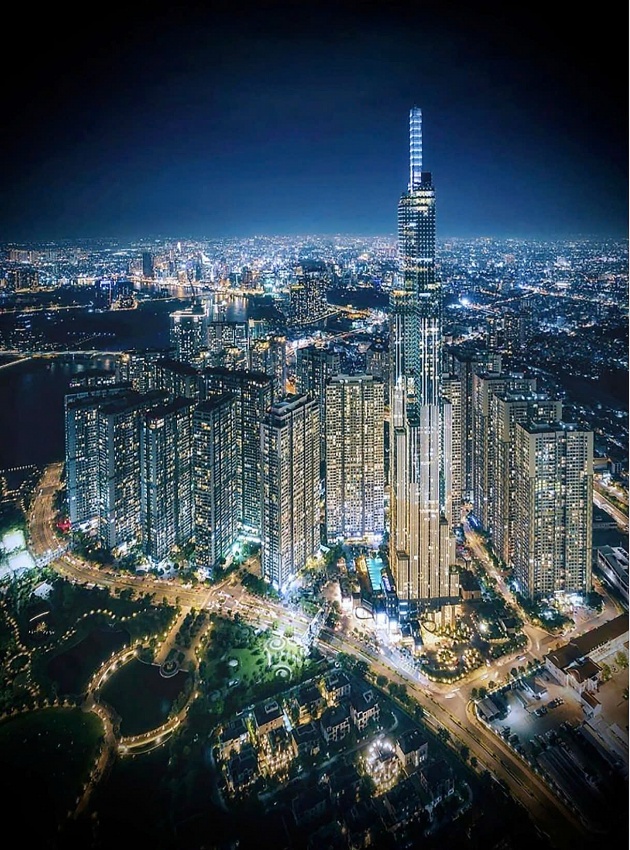
Ho Chi Minh City at night. Image source: BCG
Major global cities, such as New York, London, Paris, Monaco, and Tokyo, have been popular with HNWIs, who have a substantial amount of liquid financial assets, typically defined as $1 million or more in liquid assets, excluding their primary residences. However, they are slowly losing their intrigue compared to Dubai, Abu Dhabi, Singapore, Milan, and Sardinia. These cities are attracting HNWIs by offering golden visas, tax incentives, and an appealing lifestyle.
This wave of relocation is being driven by multinational corporations. According to Savills Impacts, terms like ‘nearshoring’ and ‘onshoring’ are gaining momentum, particularly in high-tech sectors such as AI, semiconductor manufacturing, and data centres, which require a skilled workforce and reliable energy supplies.
The priorities for business success revolve around people, power, and location. Companies need proximity to the right workforce and sufficient power for their facilities, a challenge that continues to grow with the increasing demand for AI and data centres. They also want to be in the right ecosystem to optimise their access to suppliers, strategic partners, and supply chain needs.
Savills Impacts said that the ‘triple helix’ of universities, private-sector companies, and government funding is seen as a key driver for future capital flows. Hubs like Silicon Valley (US), the Golden Triangle (UK), and the Greater Bay Area (China) are not only business headquarters but also ideal living destinations for the global elite. The combination of quality of life and investment conditions helps sustain long-term appeal.
Beyond tax and financial incentives, HNWIs are giving more consideration to factors such as culture, healthcare, education, and quality of life. According to Victoria Garrett, head of global residential (excluding the UK), “Tax and financial incentives remain key when they move to a new jurisdiction, but they also want to live near the beach, close to the golf courses, have access to international schools for their children, and be part of a similar community.”
The Savills Dynamic Wealth Index identifies the cities that are performing well at attracting and developing wealth and investment from individuals and businesses. The report highlights the factors shaping destinations for investments, with personal tax incentives, the presence of the HNWI community, and a higher standard of living all popular reasons. Dubai, Abu Dhabi, Singapore, Zurich, and Auckland rank among the top five destinations for individuals seeking relocation.
Meanwhile, Singapore, Seoul, New York, London, and Abu Dhabi are leading destinations for businesses based on factors such as the corporate tax environment, ease of doing business, levels of foreign direct investment (FDI), economic strength, and local knowledge base.
Remarkably, six of the top 12 locations in the corporate and individual Dynamic Wealth indices highlight how business and personal priorities can often overlap. Businesses want to relocate to destinations that will provide the necessary workforce talent, and skilled workers tend to prioritise a better quality of life.
Paul Tostevin, director of world research, stated, “Against a rapidly changing geopolitical and economic backdrop, the flow of global wealth is evolving, as high net worth individuals and businesses take a more holistic approach to location. Government policies, taxes, and incentives, and a highly skilled workforce, continue to be key drivers. Yet, a sense of community and a high standard of living are becoming the deciding factor.”
Vietnam's advantages and opportunities
According to the Ministry of Finance’s Foreign Investment Agency, FDI is continuing to flow steadily into the country despite ongoing fluctuations in the global economy. The report last week shows that foreign investment in Vietnam reached nearly $18.4 billion in the first five months of 2025, a 51.2 per cent increase on-year.
The manufacturing and processing sector continued to dominate, attracting $10.4 billion, accounting for 56.6 per cent of total registered capital and increasing by 31.9 per cent on-year. The real estate sector came in second with $4.99 billion, accounting for 27.1 per cent of the total and more than doubling compared to the same period last year. Science and technology drew $1.02 billion, followed by the wholesale and retail sector with over $596.8 million.
Commenting on the advantages Vietnam holds to attract foreign and HNWI investment, Matthew Powell, director of Savills Hanoi, said, “Vietnam has many attributes that appeal to HNWIs, including a strategic location in Southeast Asia, fast-growing economy, attractive nature and history, and a steadily improving quality of life. Moreover, a rich cultural identity, diverse cuisine, and significant investment potential in real estate add to the appeal.”
Destinations such as Danang and Hoian are emerging as hotspots for luxury resort real estate, with international-standard golf courses, mild climates, and an increasingly higher quality of life. The presence of branded residences, such as Nobu Residences, and integrated resorts, like Hoiana, is helping to redefine the premium segment.
Meanwhile, Hanoi and Ho Chi Minh City, two major economic hubs, are witnessing strong growth in branded residences, including internationally standardised apartment and villa projects, upgraded transport infrastructure, and connectivity to regional financial centres.
Yet, Powell said while Vietnam holds strong potential, decisive reforms are required for the country to remain competitive within the region, such as a flexible visa policy and residency programmes for individual investors. Neighbouring countries, Thailand and Malaysia, have already implemented long-term residence visas, accompanied by tax incentives, property ownership rights, and flexible employment conditions for HNWIs.
He emphasised that the development of an internationally standardised living ecosystem, including healthcare and education, will enable Vietnam to retain wealthy individuals and families. “When the elite experience true comfort and professionalism in all aspects of life, they return and become ambassadors for the nation’s image.”
Investor-friendly visa policies are not merely an entry ticket but a long-term commitment to a sustainable development strategy and the foundation of a lasting investment impact. In the view of the Savills' expert, amidst the relocation of wealth, Vietnam has an opportunity to attract HNWIs. With striking geographical diversity and strategic significance, the country has the potential to become a leading centre for investment, high-quality living, and sustainable development.
Source: VIR
Related News
BANKING / FINANCE / INSURANCE / TAX
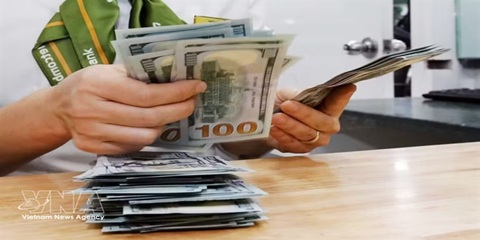
REMITTANCES TO HCM CITY RISE NEARLY 40% IN Q3
Remittances to HCM City reached more than US$2.83 billion in the third quarter of this year, up 39.5 per cent from the previous quarter and 3.6 per cent year-on-year. This was the first quarter showing positive annual growth this year, helping narrow the decline in remittance inflows over the first nine months. According to the State Bank of Vietnam (SBV)’s Regional Branch 2, remittances transferred to HCM City through credit institutions and economic organisations totalled $2.835 billion in Q3, an increase of more than $802 million from the previous quarter.

TECHNOLOGY
TECH SECTOR GROWTH OPENS UP OPPORTUNITIES FOR VIỆT NAM TO GO GLOBAL
The growth of the electronics, semiconductor and high-tech sectors worldwide is opening up a variety of opportunities for Vietnamese enterprises to integrate more deeply into the global supply chain. However, to become suppliers for these corporations, domestic enterprises must meet rigorous standards regarding quality, technology, productivity and order fulfilment capabilities.
VIETNAM ECONOMY INVESTMENT
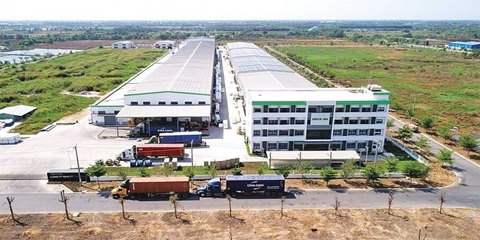
FOREIGN INVESTORS SEEKING A SYNCHRONISED MANUFACTURING ECOSYSTEM
Instead of focusing only on land costs and incentives as usual, foreign investors are seeking a synchronised manufacturing ecosystem, from stable power supply and logistics to shared infrastructure and the convenience of completing residence procedures for experts to serve their long-term investment in the country.
MEMBER CORNER / PROMOTIONS
SENTRYSAFE FHW40200 – PROTECT YOUR VALUABLES, ENJOY PEACE OF MIND!
Looking for a reliable solution to protect your important documents, cash, and valuables from fire and water damage? Genuine SENTRYSAFE - Reliable protection for your valuables and peace of mind! Contact Sen Wai Vietnam for more information and personalized product recommendations.
PROPERTY / INDUSTRIAL ZONE
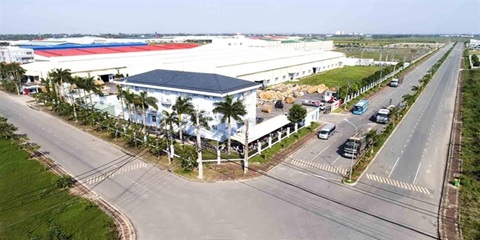
HCM CITY ATTRACTS US$5.7 BILLION INTO EXPORT PROCESSING AND INDUSTRIAL ZONES
HCM City attracted US$5.7 billion in domestic and foreign investment into its export processing and industrial zones during the first nine months of 2026. The figure exceeded the city's full-year target by 31 per cent, highlighting strong momentum in high-quality industrial investment under Resolution No.10-NQ/TW. Total investment reached 131 per cent of the 2026 target of $4.25 billion and represented a 29 per cent increase compared with the same period in 2025, according to the city's Export Processing and Industrial Zones Authority (HEPZA).
INFRASTRUCTURE / CONSTRUCTION / LOGISTIC / PORT
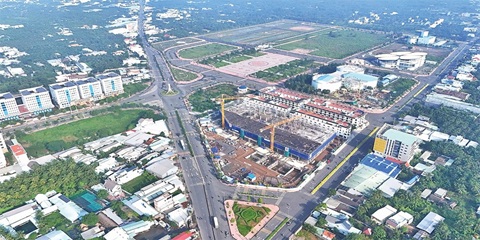
DONG THAP PROVINCE STEPS UP INDUSTRIAL EXPANSION AND INFRASTRUCTURE CONNECTIVITY
Accelerating public investment, strengthening inter-regional connectivity, and expanding industrial land are helping Dong Thap efficiently bolster competitiveness and drive economic growth. Following the 2025 merger of the former Dong Thap and Tien Giang provinces, the expanded Dong Thap province in the Mekong Delta faces mounting pressure to accelerate infrastructure development and strengthen connectivity among local economic zones, urban areas, industrial parks (IPs), and production centres.
Events Sponsors






















