Want to be in the loop?
subscribe to
our notification
Business News
VCCI TO PROPOSE SOLUTIONS TO WAGE HIKE ISSUES
Phung Quang Huy told reporters on the sidelines of a seminar on labor quality in Hanoi last week that the current solutions do not help create a high consensus among the parties concerned.
In particular, members of the National Wage Council will have to join a working group to discuss and agree on survey criteria for the minimum wage increase including the marco economy, inflation, decisive factors for wages and workers’ basic living standards in the early months of the year. After that, they will conduct a survey until September and negotiate a minimum wage hike.
Conflicting opinions of the parties concerned after the council makes a final decision on the minimum wage increase will not be accepted, Huy said after the Vietnam General Confederation of Labor wrote to the Prime Minister suggesting a regional minimum wage rise of 14.4% for next year.
The wage raise sought by the labor confederation is higher than 12.4% decided by the council at a third meeting of the council in Hanoi in early September.
Huy said that last year VCCI and the confederation were at odds over some criteria including accommodation rental for workers.
“Therefore, the parties concerned should agree on survey criteria and methods from the beginning, otherwise disagreement among them will never end,” Huy said.
The minimum wage rise of 12.4% for next year was reached by over 90% of the council’s members at the meeting on September 3. Deputy Minister of Labor, Invalids and Social Affairs Pham Minh Huan, who is also chairman of the council, told a press briefing held after the meeting that the level of consensus was the highest ever.
However, less than one month later, many industry associations said the wage increase was too high and proposed just 6-7%. For instance, the Vietnam Textile and Apparel Association (VITAS) late last month suggested the Government increase the minimum wage by only 6%.
According to VITAS, the minimum wage increase of 12.4% as proposed by the council will make life tough for textile and garment enterprises, especially when enterprises will have to pay higher social insurance based on their workers’ incomes instead of minimum wages from 2018.
Early this month, the labor confederation asked the Prime Minister to approve a rise of 14.4% instead of 12.4% as agreed earlier by negotiators of the council.
Mai Duc Chinh, vice president of the labor confederation, said though the council decided the wage rise at 12.4%, the confederation was still dissatisfied with it.
According to Chinh, the confederation’s new wage rise proposal is to protect the rights and interests of laborers as a number of business associations want modest rises of 6-7%.
Source: VCCI
Related News
MEMBER CORNER / PROMOTIONS
SENTRYSAFE CHW20201 - EFFECTIVE WATER RESISTANCE, MAXIMUM PROTECTION
In unexpected flooding situations, the most important thing is to keep your valuables dry and intact. SentrySafe CHW20201 is specially designed with superior water-resistant capabilities, helping protect documents, cash, and important belongings even when fully submerged. Proven in real testing: After water submersion, the documents inside remain dry - undamaged.
MEMBER CORNER / PROMOTIONS
AN ELECTRIFYING NIGHT WITH THE "QUEEN OF DANCE" THU MINH AT THE GRAND HO TRAM!
The stage at The Grand Ballroom is set to catch fire as Vietnam’s undisputed "Queen of Dance," Thu Minh, takes the spotlight. Renowned for her powerhouse vocals, magnetic stage presence, and sultry, high-energy performances, Thu Minh promises an evening of pure musical euphoria. The energy escalates with an exclusive appearance by special guest and The Voice champion, Vu Thao My.
HR / LABOUR/ EMPLOYMENT
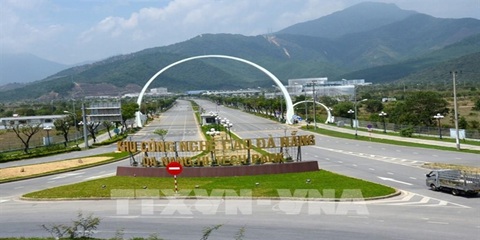
HIGH-QUALITY HUMAN RESOURCES NEEDED TO ATTRACT NEW TECH INVESTMENT CAPITAL
Besides infrastructure, Việt Nam must also rapidly develop a highly skilled workforce to attract investment in AI, semiconductors and advanced manufacturing, experts have said. Don Lam, CEO and co-founder of investment management company VinaCapital, said that global technology investors were increasingly looking at the readiness of the entire ecosystem, with high-quality human resources a decisive factor.
HR / LABOUR/ EMPLOYMENT
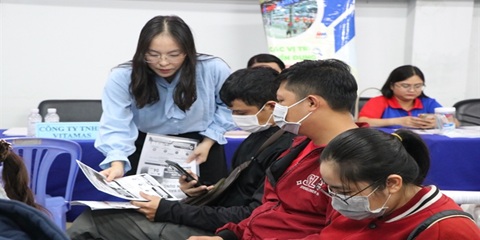
HIRING OUTLOOK STRENGTHENS IN Q4 AS SKILLS SHORTAGES PERSIST
Hiring intentions among employers in Việt Nam strengthened in the fourth quarter, with 52 per cent of surveyed companies planning to increase headcount between October and December, according to a ManpowerGroup survey released this week. Việt Nam's hiring outlook was stronger than the Asia Pacific and Middle East (APME) regional average of 33 per cent and the global average of 29 per cent, ranking third in the region and 11th globally among 42 markets surveyed.
BANKING / FINANCE / INSURANCE / TAX
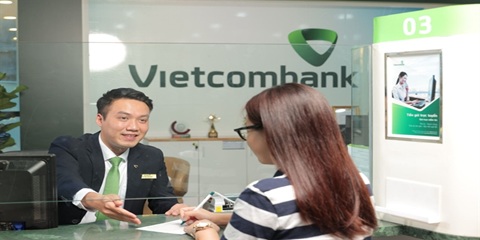
LARGE BANKS FORECAST TO GAIN HIGHER PROFITABILITY IN H2 2026
The return on average assets (ROAA) of the banking sector will likely remain stable at around 1.5 per cent in the second half of 2026, but profitability divergence among banks will increase, with large banks outperforming peers on stronger margins and diversified earnings, analysts forecast. In a recent report on the banking sector, analysts from the Vietnam Investors Service Rating said the sector’s ROAA rose by 10 basis points quarter-on-quarter to 1.51 per cent in the first half of this year, driven by net interest margin (NIM) improvements at some State-owned banks and large private banks.
GARMENT / TEXTILE
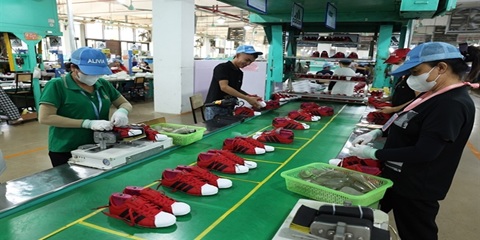
VIỆT NAM'S FOOTWEAR, BAG EXPORTS TO US TOP $8 BILLION IN EIGHT MONTHS
Việt Nam's exports of footwear and handbags to the US exceeded US$8 billion in the first eight months of 2026, as the US and EU remained the country's biggest markets despite sluggish growth in footwear shipments. Exports from Việt Nam's leather and footwear sector reached more than $2.45 billion in August, down 9 per cent from July but up 3 per cent from a year earlier, according to preliminary statistics.
Events Sponsors






















