Want to be in the loop?
subscribe to
our notification
Business News
INNOVATING TECH INFRASTRUCTURE TO ENHANCE BANKING SECURITY
Vietnam's banking technology infrastructure has advanced significantly, improving performance and meeting customer needs in the digital age. However, further innovation is needed to sustainably grow and meet rising market demands.
Mr. Nguyen Quoc Hung, Vice Chairman and General Secretary of the Vietnam Banks Association, said, many banks have to date adopted comprehensive digital transformation strategies, from digitizing transaction processes to developing online banking products and services. Mobile applications and online banking platforms are becoming increasingly popular, enabling customers to conduct transactions anytime, anywhere. Banks' information technology infrastructure has been upgraded with modern core banking systems, enabling them to optimize operational processes, information security and network security and ensure the safety of electronic transaction systems.
The banking industry has also invested strongly in information technology, including artificial intelligence (AI), blockchain and big data, to improve service quality and risk management. Applying AI to customer data analysis has helped banks personalize services and enhance user experiences.
With the incentive and development support policies of the Government and the State Bank, digital banking services such as e-wallets, online payments and financial technology (Fintech) services have created many opportunities for consumers and businesses. Many banks have cooperated with technology companies to develop innovative solutions, thus improving services and expanding the market. Domestic Fintech firms are also playing an increasingly important role in driving innovation in the banking industry.
According to Mr. Hung, there are currently five technological trends that are bringing a strong future for the banking industry, namely artificial intelligence, blockchain, cloud computing, mobile payment and open banking.
In fact, the popularity of smartphones and mobile devices has continued to dramatically change banking operations, allowing customers to make transactions anytime, anywhere. Blockchain technology and cryptocurrencies are emerging as safe, decentralized alternatives to the traditional banking system. At the same time, AI and big data analytics are revolutionizing banking operations by improving customer knowledge, personalizing services and detecting frauds more effectively.
"These five emerging technology trends are forecast to shape the banking industry in the future and create a new competitive environment. Banks need to be adaptive and ready to integrate technology into their business strategies to keep up with technological developments and meet the growing needs of customers," he added.
Notably, technological advances in the banking industry increase efficiency but also raise concerns about job displacement, especially in data analytics, cybersecurity and customer support fields, which could potentially lead to job losses. Cybersecurity risks in digital banking services, including online frauds, data breaches and identity theft, require strong measures to maintain trust and protect customers' interests.
Furthermore, the digital divide still exists, affecting accessibility to banking services in urban and rural areas and socioeconomic groups, requiring timely attention to address weaknesses in internet connection, digital literacy and infrastructure.
In addition, technological advances in the banking sector also pose legal challenges to authorities to protect consumers, maintain financial stability as well as prevent money laundering and fraud, he noted.
According to Mr. Le Van Tuan, Director of the Authority of Information Security (AIS) under the Ministry of Information and Communications (MIC), to avoid cybersecurity risks in digital banking services, banks should thoroughly implement legal regulations on information security, especially information security regulations subject to them. MIC will intensify inspection and examination of information security in the finance and banking sector. Each unit needs to have a plan to monitor, protect, respond quickly, recover from incidents, and implement information security measures.
Mr. Pham Tien Dung, Deputy Governor of the State Bank of Vietnam (SBV), said: data currently shows that the banking industry has tens of millions of corporate and individual customers. If the banking system stops operating for five minutes, its impact will be huge. Therefore, after "covering" products and services on a wide scale, the banking industry needs to aim to ensure operational safety and depth for those products and services, he added. This is the time when banks need to pay attention to ensuring the best quality for their products and services.
In addition, according to Mr. Le Van Tuan, banks need to focus on investing in modern technology, enhancing human-based defense capabilities, regularly organizing combat drills to detect vulnerabilities, and training all staff in advanced data security. They also need to share information rather than concealing it when incidents occur.
Source: VCCI
Related News

BANKING / FINANCE / INSURANCE / TAX
REMITTANCES TO HCM CITY RISE NEARLY 40% IN Q3
Remittances to HCM City reached more than US$2.83 billion in the third quarter of this year, up 39.5 per cent from the previous quarter and 3.6 per cent year-on-year. This was the first quarter showing positive annual growth this year, helping narrow the decline in remittance inflows over the first nine months. According to the State Bank of Vietnam (SBV)’s Regional Branch 2, remittances transferred to HCM City through credit institutions and economic organisations totalled $2.835 billion in Q3, an increase of more than $802 million from the previous quarter.
TECHNOLOGY
TECH SECTOR GROWTH OPENS UP OPPORTUNITIES FOR VIỆT NAM TO GO GLOBAL
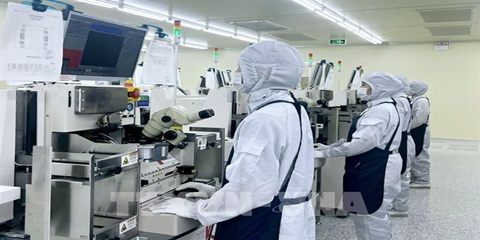
The growth of the electronics, semiconductor and high-tech sectors worldwide is opening up a variety of opportunities for Vietnamese enterprises to integrate more deeply into the global supply chain. However, to become suppliers for these corporations, domestic enterprises must meet rigorous standards regarding quality, technology, productivity and order fulfilment capabilities.
VIETNAM ECONOMY INVESTMENT
FOREIGN INVESTORS SEEKING A SYNCHRONISED MANUFACTURING ECOSYSTEM
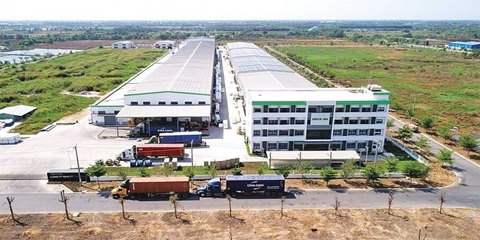
Instead of focusing only on land costs and incentives as usual, foreign investors are seeking a synchronised manufacturing ecosystem, from stable power supply and logistics to shared infrastructure and the convenience of completing residence procedures for experts to serve their long-term investment in the country.

MEMBER CORNER / PROMOTIONS
SENTRYSAFE FHW40200 – PROTECT YOUR VALUABLES, ENJOY PEACE OF MIND!
Looking for a reliable solution to protect your important documents, cash, and valuables from fire and water damage? Genuine SENTRYSAFE - Reliable protection for your valuables and peace of mind! Contact Sen Wai Vietnam for more information and personalized product recommendations.
PROPERTY / INDUSTRIAL ZONE
HCM CITY ATTRACTS US$5.7 BILLION INTO EXPORT PROCESSING AND INDUSTRIAL ZONES
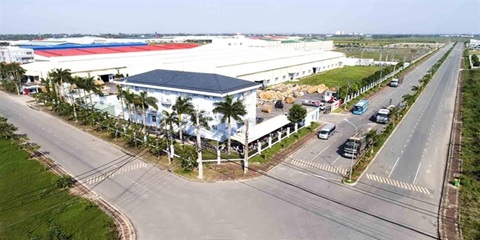
HCM City attracted US$5.7 billion in domestic and foreign investment into its export processing and industrial zones during the first nine months of 2026. The figure exceeded the city's full-year target by 31 per cent, highlighting strong momentum in high-quality industrial investment under Resolution No.10-NQ/TW. Total investment reached 131 per cent of the 2026 target of $4.25 billion and represented a 29 per cent increase compared with the same period in 2025, according to the city's Export Processing and Industrial Zones Authority (HEPZA).
INFRASTRUCTURE / CONSTRUCTION / LOGISTIC / PORT
DONG THAP PROVINCE STEPS UP INDUSTRIAL EXPANSION AND INFRASTRUCTURE CONNECTIVITY
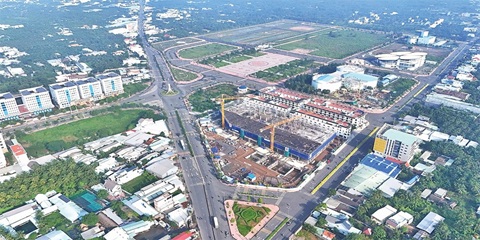
Accelerating public investment, strengthening inter-regional connectivity, and expanding industrial land are helping Dong Thap efficiently bolster competitiveness and drive economic growth. Following the 2025 merger of the former Dong Thap and Tien Giang provinces, the expanded Dong Thap province in the Mekong Delta faces mounting pressure to accelerate infrastructure development and strengthen connectivity among local economic zones, urban areas, industrial parks (IPs), and production centres.
Events Sponsors






















