Want to be in the loop?
subscribe to
our notification
Business News
HOSPITALITY MARKET ENJOYS STRONG GROWTH
The tourism sector is showing strong momentum, driven by favourable visa policies, improved infrastructure, and strategic marketing efforts by both authorities and businesses, a conference has heard.
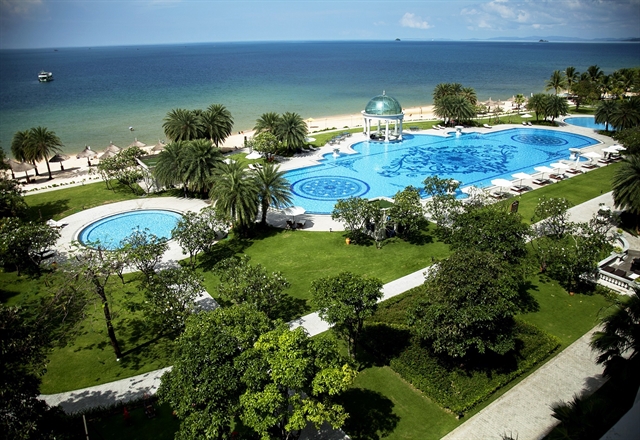
Vinpearl Resort & Golf Phú Quốc. —VNA/VNS Photo Hồng Đạt
HCM CITY — The tourism sector is showing strong momentum, driven by favourable visa policies, improved infrastructure and strategic marketing efforts by both authorities and businesses, a conference has heard.
The biannual conference on the real estate and hospitality sectors “Meet The Experts,” held in HCM City on Tuesday, brought together over 700 representatives from real estate developers, hotel owners, architects, design consultants, project consultants, hotel operators, and industry experts.
Mauro Gasparotti, senior director, head of SE Asia hotel advisory at Savills Hotels, said: “Việt Nam’s hospitality market developed strongly last year, with international tourist arrivals rebounding to pre-COVID levels.”
Hotel occupancy rose by nearly 15 per cent and room rates by 5 per cent, driven by the luxury segment, he said.
Coastal destinations such as Nha Trang-Cam Ranh and Phú Quốc experienced a surge in international arrivals.
Phú Quốc is set to host the APEC Summit in 2027, affirming its position as a premier destination.
Việt Nam’s tourism landscape is undergoing a rapid transformation, with new business models, brands and resorts redefining the market, he said.
Concepts such as branded residences, ultra-luxury residential developments, rooftop bars, beach clubs, wellness retreats, and all-inclusive resorts illustrate the sector’s evolution.
Meanwhile, according to Gasparotti, emerging technologies like Al (Artificial Intelligence) are poised to revolutionise travel, streamlining processes and personalising experiences for both leisure and business travellers.
These innovations will drive the next phase of hospitality and real estate growth, attracting top-tier brands and shaping the industry's future, he added.
Representatives from Savills, QUO, Group GSA, and Gamuda Land provided insights into the country's growing luxury real estate market.
They said the capital markets continue to attract strong interest, particularly from Asian investors.
However, transaction volumes remain limited due to ownership complexities, regulatory challenges and prolonged negotiation processes.
Investors are particularly drawn to prime locations in key cities with strong infrastructure connectivity, prioritising assets that offer long-term value appreciation and stable demand.
The evolving legal framework and upcoming infrastructure projects such as the Long Thành International Airport and metro system expansion could significantly shape investment trends in the coming years, potentially unlocking new opportunities in both the hospitality and real estate sectors.
Professionals from Savills Vietnam, Lodgis Hospitality, Ares Management, Indochina Capital, Kusto Home, SC Capital, and Group GSA provided insights into regional investment flows. They explored how foreign investors could play a crucial role in redefining Việt Nam’s real estate and hospitality landscape.
The panel emphasised that strategic partnerships and regulatory improvements will be key to moving the market forward, ensuring sustainable growth and increased investor confidence.
In the first two months of this year, Việt Nam recorded nearly four million international arrivals, a year-on-year increase of 30 per cent. —VNS
Source: VNS
Related News

CHARITY / EXHIBITION / OTHER EVENTS
INVESTMENT OPPORTUNITIES IN CA MAU PROVINCE: 96 PROJECTS AND 20 STRATEGIC PROJECTS
We are pleased to share with you information on investment projects currently seeking investors in Ca Mau Province. Should your esteemed company or association be interested, we kindly invite you to review the project information and complete the registration form via the links provided. The Ho Chi Minh City Investment and Trade Promotion Centre (ITPC) will consolidate the expressions of interest and facilitate connections with the leadership of Ca Mau Province at a meeting tentatively scheduled for 13 November 2026 in Ho Chi Minh City.

MEMBER CORNER / PROMOTIONS
BẰNG KIỀU LIVESHOW - A SYMPHONY OF LOVE UNDER THE GOLDEN GLOW
A masterclass in live music that takes the audience on a soulful journey through immortal love songs, guided by the peerless artistry and emotive storytelling of renowned singer Bằng Kiều. The highlight of the night is his seamless musical chemistry with special guest Triệu Hồng Ngọc, promising passionate and deeply resonant duets inside the magnificent Grand Ballroom.
INFRASTRUCTURE / CONSTRUCTION / LOGISTIC / PORT
ĐÀ NẴNG GREEN-LIGHTS US$105 MILLION THAI DEVELOPMENT DEAL
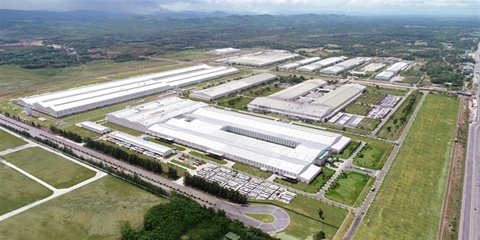
The central city has approved an investment proposal by Thailand’s WHA Group to develop infrastructure for the 400ha WHA Đà Nẵng Industrial Park project on two communes of Thăng Bình and Đồng Dương, with an investment of more than VNĐ2.7 trillion (US$105 million). The city said it approved WHA Industrial Development International's status as an investor in the project, which is expected to take place between 2027 and 2034.
VIETNAM ECONOMY INVESTMENT
MOBILE PHONE EXPORTS RISE 20% TO $51.8 BILLION IN FIRST NINE MONTHS
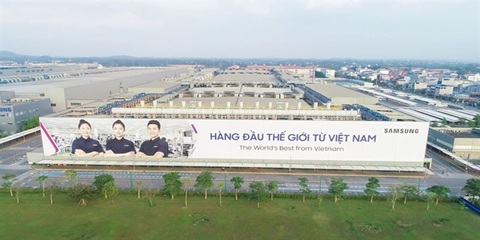
Exports of mobile phones and components rose 20 per cent year-on-year to nearly US$51.8 billion in the first nine months of 2026, with China, the US and Republic of Korea accounting for more than half of the total. Shipments to the three markets reached a combined $26.18 billion, or 50.6 per cent of total exports of the product group during the period, according to data from the Vietnam Department of Customs under the Ministry of Finance.

INFRASTRUCTURE / CONSTRUCTION / LOGISTIC / PORT
VIỆT NAM-CAMBODIA TRADE GATHERS PACE TOWARDS $20 BILLION TARGET
Trade between Việt Nam and Cambodia continues to grow, remaining a bright spot and a key pillar of bilateral cooperation as the two countries aim to raise two-way trade to US$20 billion in the coming years. After setting a record of more than $11.3 billion last year, bilateral trade reached about $8.7 billion in the first eight months of this year, up 8.3 per cent year on year.
VIETNAM ECONOMY INVESTMENT
FRUIT AND VEGETABLE EXPORTS POISED TO HIT $10 BILLION IN 2026
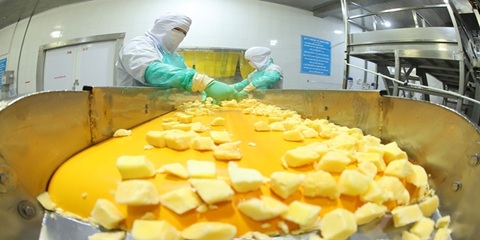
Fruit and vegetable exports are on track to reach nearly US$10 billion in 2026, after rising 19.9 per cent year on year to nearly US$7.4 billion in the first nine months, driven by strong seasonal demand and abundant tropical fruit supplies. The Ministry of Agriculture and Environment said the growth reflected stronger international demand for fresh produce and processed agricultural products.
Events Sponsors






















