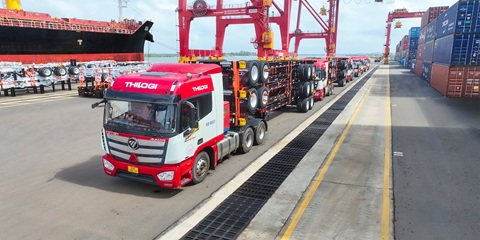
VIETNAM TARGETS US$500 BILLION IN EXPORTS IN 2026
Vietnam is aiming to push its export revenue beyond US$500 billion in 2026 after recording strong growth last year. Export revenue reached more than US$475 billion in 2025, up over 17% year-on-year, or an increase of about US$69 billion, according to the Ministry of Industry and Trade. The result came despite weak global growth and tough trading conditions in major markets.

CHINA IMPORTS JUMP 28%, ACCOUNTING FOR OVER 40% OF VIETNAM’S TOTAL IMPORT VALUE
According to Vietnam Customs, Vietnam imported goods worth US$167.5 billion from China in the first 11 months of 2025, up 28.1% year-on-year, equivalent to an increase of US$36.79 billion. The agency estimated that full-year imports from China would exceed US$182.5 billion, rising by nearly US$39 billion from 2024. China remained Vietnam’s largest source of imports by a wide margin, far outpacing other suppliers.

CONSTRUCTION SECTOR POSTS OVER 9% GROWTH IN 2025
Industries under the ministry’s management accounted for an estimated 17.23% of national gross domestic product (GDP), up about 0.17 percentage point from 2024. They contributed around 1.96 percentage points to overall GDP growth, reported the Vietnam News Agency. The contribution helped push Vietnam’s economic growth to above 8% in 2025 and supports the Government’s aim of pursuing double-digit growth in the coming years.

HCMC TO DEVELOP CAI MEP HA FREE TRADE ZONE TO BOOST LOGISTICS, TRADE
The promotion of the Cai Mep Ha Free Trade Zone is a concrete step to implement the revised Resolution 98, which was passed by the National Assembly on December 11 this year. Alongside the development of an international financial center, free trade zones are seen as a new but challenging area that could become a key driver for investment attraction and revenue growth in HCMC, Quang said.
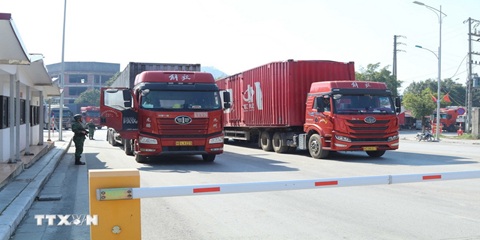
VIETNAM, CHINA TO PILOT TWO-WAY CARGO TRANSPORT AT LANG SON BORDER
Vietnam and China will launch a one-year pilot program on December 10 to allow two-way cargo transport through the Huu Nghi–Youyi Guan international border gates in Lang Son Province, reported the Vietnam News Agency. The Dong Dang-Lang Son Economic Zone Management Board said the trial aims to reduce transport costs and improve customs clearance capacity.
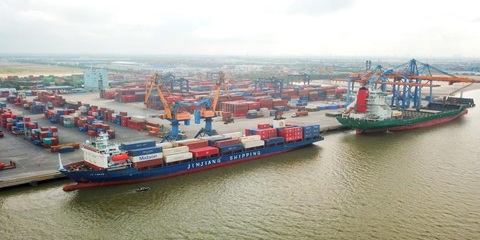
VIETNAM’S IMPORT-EXPORT VALUE NEARS US$840 BILLION IN JAN-NOV
The total value of Vietnam’s imports and exports was nearly US$840 billion between January and November this year, the highest level ever recorded, according to the National Statistics Office. In its latest report on the country’s socio-economic performance, the National Statistics Office highlighted a series of positive economic indicators, with trade emerging as one of the strongest drivers of growth.
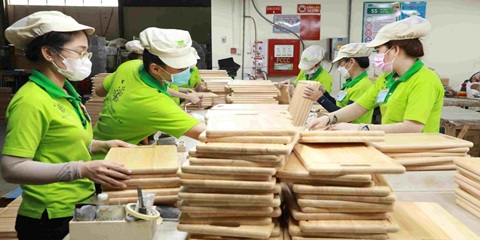
VIETNAM’S EXPORTS TO U.S. HIT RECORD HIGH OF OVER US$126 BILLION
Vietnam’s exports to the U.S. reached more than US$126 billion in the first 10 months of the year, the highest level on record and up nearly 28% from the same period in 2024. According to the General Department of Vietnam Customs, the U.S. accounted for over 30% of the country’s total export value, reinforcing its role as Vietnam’s largest export market and a key driver of trade growth heading into 2026.
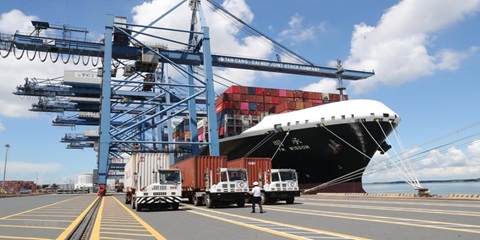
IMPORT–EXPORT CUSTOMS REVENUE NEARS VND380 TRILLION IN JAN–OCT
During the same period, the country’s total import–export value reached more than US$762 billion, up 17.4% from a year earlier. Exports amounted to nearly US$391 billion, an increase of 16.2%, while imports grew 18.6% to US$371.4 billion, resulting in a trade surplus of over US$19.5 billion. In October alone, Vietnam’s total trade stood at US$81.49 billion, down a slight 1.2% from September, but the nation still posted a monthly trade surplus of US$2.6 billion, the Vietnam News Agency reported.






















