Want to be in the loop?
subscribe to
our notification
Business News
VISA EXPANDS DIGITAL PAYMENT ACCEPTANCE FOR ELECTRICITY BILLS IN VIETNAM
Visa, a world leader in digital payments, announced on July 21 that electricity consumers will now be able to enjoy the convenience and security of paying their energy bills with their Visa cards.
Consumers can make payments with the VNPAY or ZaloPay e-wallet, or through VBan.vn, at no additional fee – with Sacombank serving as the acquirer.
Visa is establishing partnerships with banks and other relevant players to ensure Visa services, such as pre-paid, debit, and credit cards, are accessible to as many consumers as possible.
Customers have the flexibility to pay their bills by using a credit card, experiencing enhanced convenience and enjoying automated monthly payments, to more easily manage their budgets. This initiative marks a significant step in Visa’s commitment to advancing the country's goal of a cashless society.
“Visa is thrilled to be expanding our digital payment acceptance footprint,” said Dung Dang, Visa country manager for Vietnam and Laos.
“Robust security measures protect consumer data and transactions, so users can feel confident that their payment information is safeguarded, minimising the risk of fraud or unauthorised access. This expansion of our acceptance footprint reflects Visa's commitment to supporting Vietnam's digital transformation by providing efficient digital payment methods,” she continued.
While cash use is still widespread, Vietnamese consumers are increasingly embracing cashless payment options.
According to the Visa Consumer Payment Attitudes Study 2022, 40 per cent of respondents said they pay bills using in-app services and 27 per cent use credit or debit cards online. 39 per cent stated that they still use cash.
This presents a huge opportunity for state entities and merchants to partner with digital payment solution providers to make the customer bill-paying experience more streamlined.
Cash usage is more common in categories such as public transport, fuel purchases, and food and beverages, while cashless payments are preferred for overseas travel and bill payments.
When asked what payment category could go fully cashless in the near future, bill payments were ranked first by 60 per cent of respondents. Mobile wallets were the top choice for making bill payments, being the go-to option for 28 per cent of respondents.
Visa has been working closely with Vietnam’s government to facilitate digital payments, such as through its extended collaboration with Ho Chi Minh City Department of Transportation to provide Visa's tap-to-ride technology on public transport.
As part of its effort to boost the awareness of cashless payment options, Visa also supports the annual Cashless Day (June 16) organised jointly by the State Bank of Vietnam and Tuoi Tre newspaper to drive the adoption of digital payments.
“As the government's digital payment agenda gains momentum, Visa remains dedicated to empowering individuals and businesses with seamless payment experiences. Through innovative solutions, strategic partnerships, and a commitment to customer satisfaction, Visa is at the forefront of driving Vietnam's digital revolution,” Dang concluded.
Source: VIR
Related News

CHARITY / EXHIBITION / OTHER EVENTS
INVESTMENT OPPORTUNITIES IN CA MAU PROVINCE: 96 PROJECTS AND 20 STRATEGIC PROJECTS
We are pleased to share with you information on investment projects currently seeking investors in Ca Mau Province. Should your esteemed company or association be interested, we kindly invite you to review the project information and complete the registration form via the links provided. The Ho Chi Minh City Investment and Trade Promotion Centre (ITPC) will consolidate the expressions of interest and facilitate connections with the leadership of Ca Mau Province at a meeting tentatively scheduled for 13 November 2026 in Ho Chi Minh City.

MEMBER CORNER / PROMOTIONS
BẰNG KIỀU LIVESHOW - A SYMPHONY OF LOVE UNDER THE GOLDEN GLOW
A masterclass in live music that takes the audience on a soulful journey through immortal love songs, guided by the peerless artistry and emotive storytelling of renowned singer Bằng Kiều. The highlight of the night is his seamless musical chemistry with special guest Triệu Hồng Ngọc, promising passionate and deeply resonant duets inside the magnificent Grand Ballroom.
INFRASTRUCTURE / CONSTRUCTION / LOGISTIC / PORT
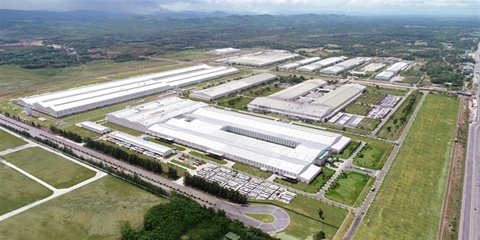
ĐÀ NẴNG GREEN-LIGHTS US$105 MILLION THAI DEVELOPMENT DEAL
The central city has approved an investment proposal by Thailand’s WHA Group to develop infrastructure for the 400ha WHA Đà Nẵng Industrial Park project on two communes of Thăng Bình and Đồng Dương, with an investment of more than VNĐ2.7 trillion (US$105 million). The city said it approved WHA Industrial Development International's status as an investor in the project, which is expected to take place between 2027 and 2034.
VIETNAM ECONOMY INVESTMENT
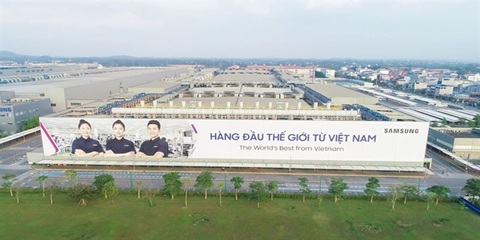
MOBILE PHONE EXPORTS RISE 20% TO $51.8 BILLION IN FIRST NINE MONTHS
Exports of mobile phones and components rose 20 per cent year-on-year to nearly US$51.8 billion in the first nine months of 2026, with China, the US and Republic of Korea accounting for more than half of the total. Shipments to the three markets reached a combined $26.18 billion, or 50.6 per cent of total exports of the product group during the period, according to data from the Vietnam Department of Customs under the Ministry of Finance.
INFRASTRUCTURE / CONSTRUCTION / LOGISTIC / PORT
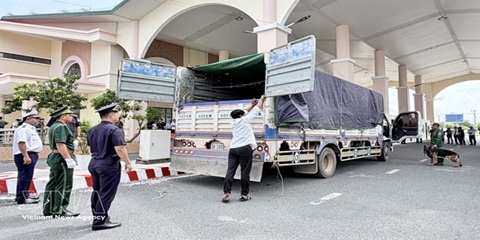
VIỆT NAM-CAMBODIA TRADE GATHERS PACE TOWARDS $20 BILLION TARGET
Trade between Việt Nam and Cambodia continues to grow, remaining a bright spot and a key pillar of bilateral cooperation as the two countries aim to raise two-way trade to US$20 billion in the coming years. After setting a record of more than $11.3 billion last year, bilateral trade reached about $8.7 billion in the first eight months of this year, up 8.3 per cent year on year.
VIETNAM ECONOMY INVESTMENT
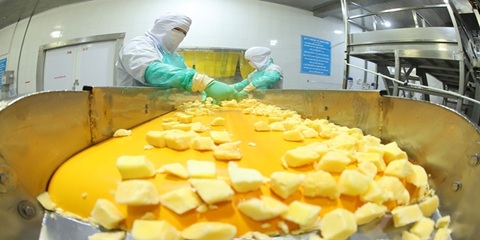
FRUIT AND VEGETABLE EXPORTS POISED TO HIT $10 BILLION IN 2026
Fruit and vegetable exports are on track to reach nearly US$10 billion in 2026, after rising 19.9 per cent year on year to nearly US$7.4 billion in the first nine months, driven by strong seasonal demand and abundant tropical fruit supplies. The Ministry of Agriculture and Environment said the growth reflected stronger international demand for fresh produce and processed agricultural products.
Events Sponsors






















