Want to be in the loop?
subscribe to
our notification
Business News
VIETNAM’S ECONOMIC HIGHLIGHTS IN 2025
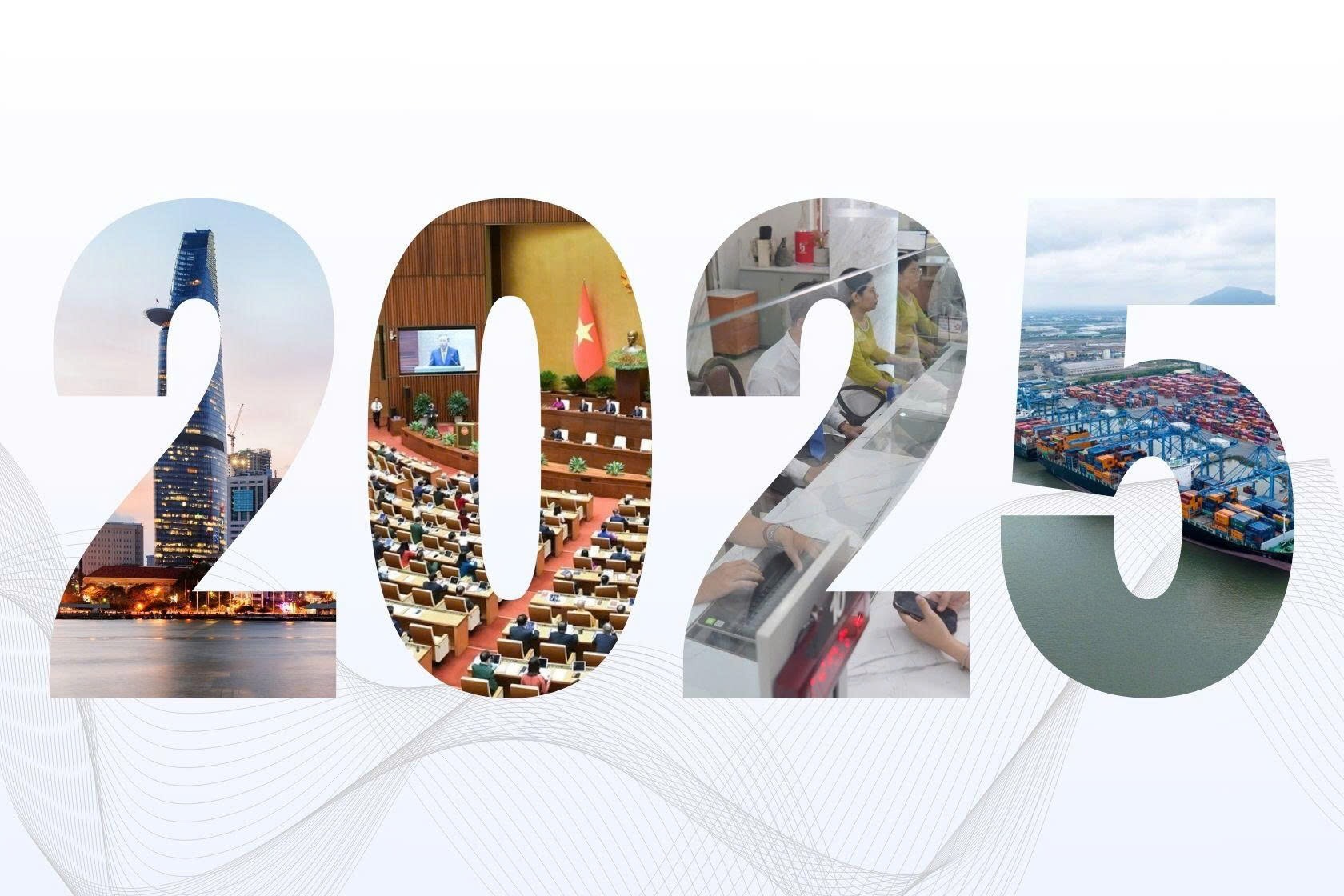
Vietnam’s economy saw a series of landmark developments in 2025, from major policy decisions and administrative reforms to infrastructure milestones and the establishment of an international financial center. These events, highlighted in a year-end review by Kinh Te Saigon Online, have laid the groundwork for stronger, more resilient growth in the years ahead.
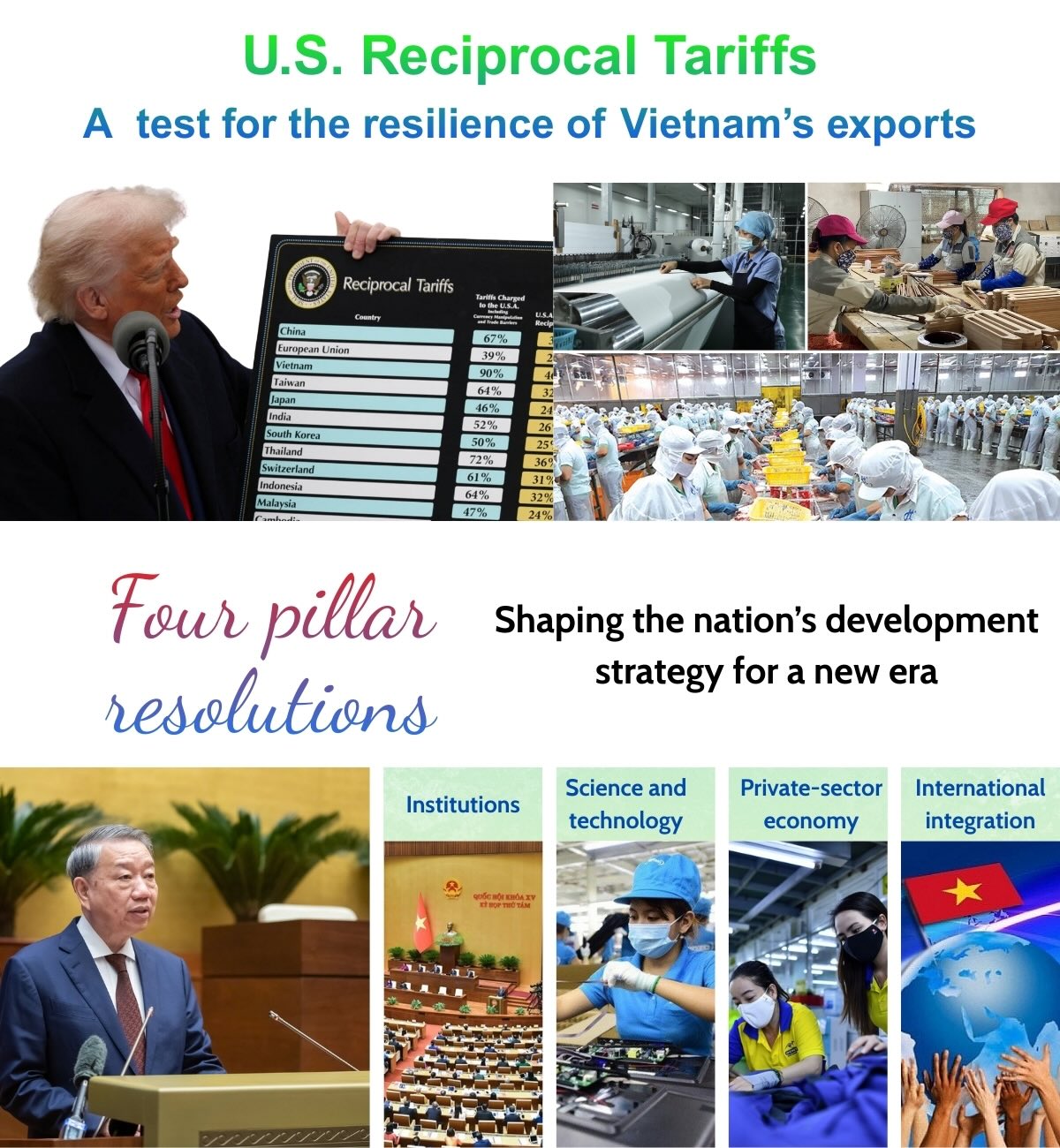
1. U.S. tariffs put Vietnam’s export resilience to a test
Early in 2025, the U.S. imposed retaliatory tariffs on Vietnamese goods, initially at 46%, threatening key export sectors amid a US$104 billion trade surplus with the U.S. in 2024. Diplomatic engagement and policy adjustments followed, and tariffs were later reduced to 20%. Despite these challenges, exports to the U.S. hit a record US$126 billion in the first 10 months.
2. Four Politburo resolutions shape development strategy
The Politburo issued four major resolutions: on science and digital transformation; private sector development; international integration; and lawmaking and legal enforcement. These measures position technology and innovation as productivity drivers, the private sector as an engine of growth, international integration as a strategic priority, and transparent legal frameworks as a foundation for sustainable development.
3. Stock market upgrade accelerates growth
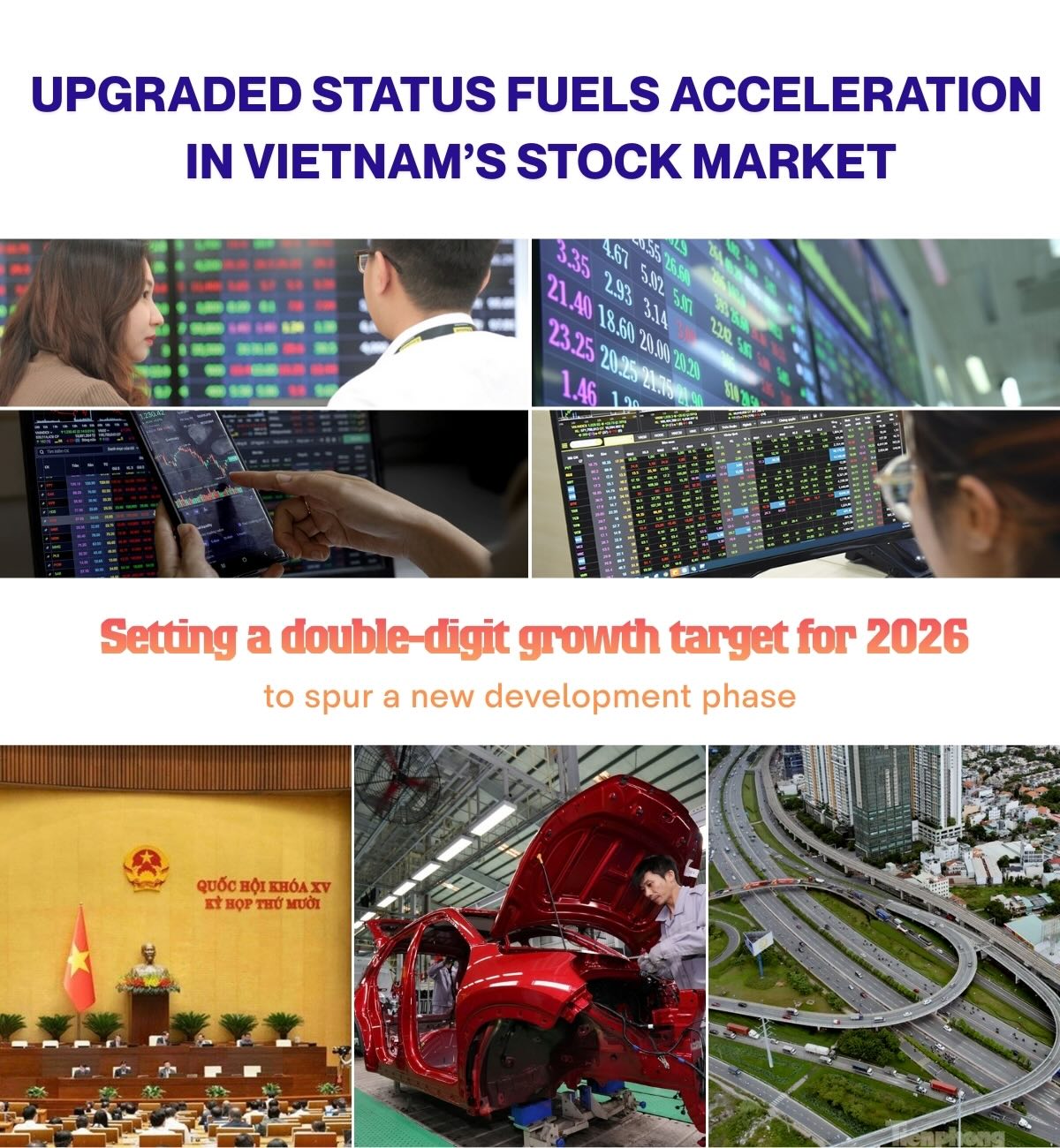
Vietnam’s stock market has advanced to a secondary emerging market in 2025, according to FTSE Russell. The VN-Index rose around 38%, with average trading liquidity of VND29,500 billion per session and total market capitalization exceeding VND9.68 quadrillion.
4. Ambitious growth target set for 2026
On November 13, the National Assembly approved the socio-economic plan for 2026, aiming for GDP growth of 10% or higher and per capita income of US$5,400–US$5,500. The plan prioritizes macroeconomic stability, inflation control, and industrial development, marking the start of the 2026–2030 plan.
5. Administrative restructuring paves the way for new governance models
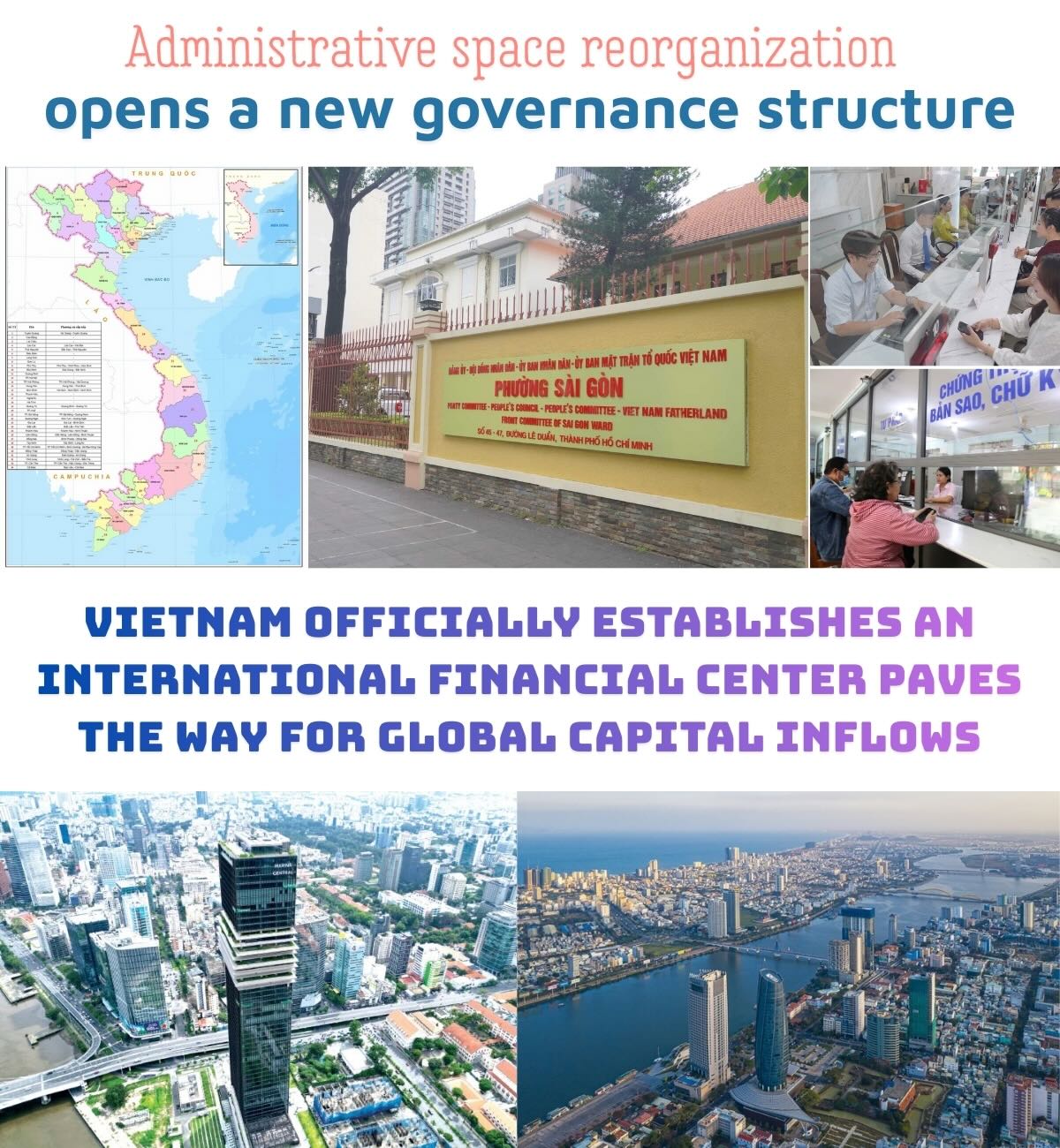
Significant administrative reforms reduced the number of provinces to 34 and streamlined district and commune-level divisions. From July 1, a two-tier local government model took effect, with the expanded HCMC expected to emerge as a new growth hub.
6. Vietnam establishes International Financial Center (IFC)
On December 21, the Government launched the International Financial Center with dual hubs in HCMC and Danang. The IFC aims to attract global capital in banking, capital markets, fintech, logistics, and insurance, with a dedicated governance council and specialized legal framework.
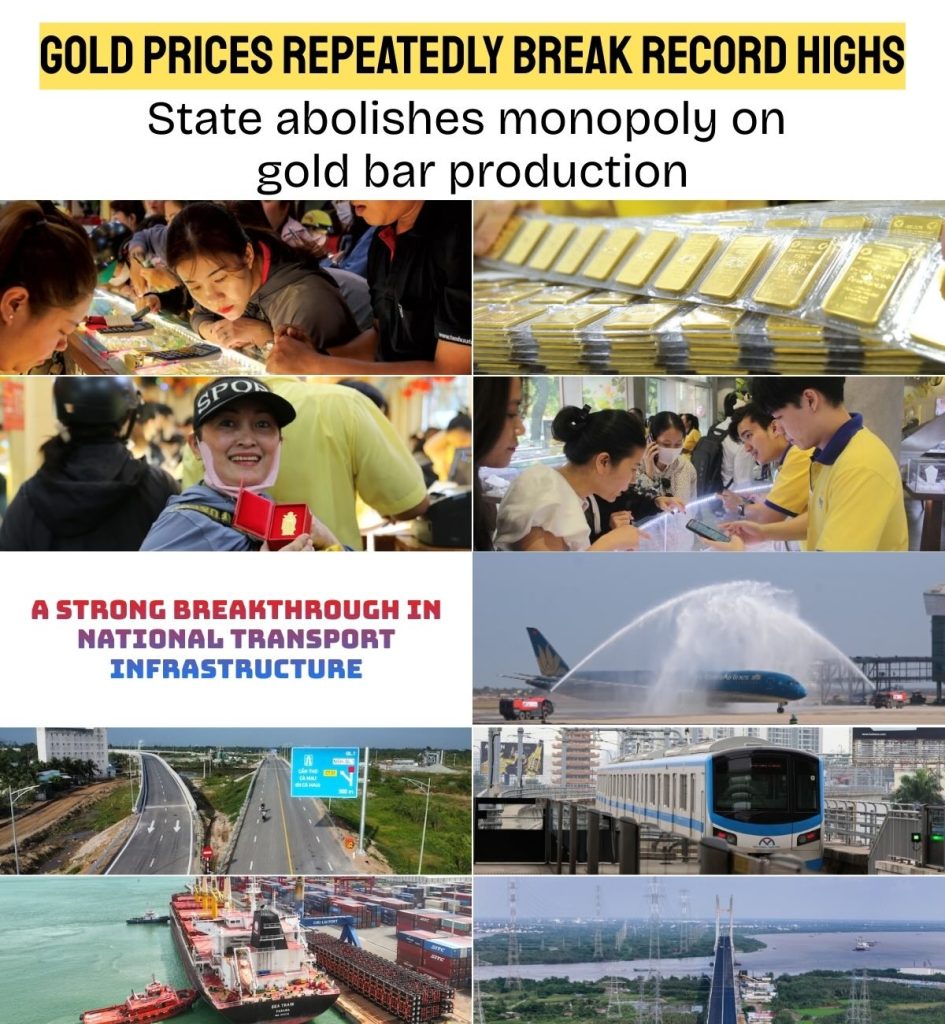
7. Gold prices soar as monopoly ends
Domestic gold prices surged, with SJC gold reaching VND157–159 million per tael in late December, nearly doubling from early 2025. The Government ended its 13-year monopoly on gold production, opening opportunities for banks and enterprises to produce and import the yellow metal.
8. Transport infrastructure achieves key milestones
The Eastern North–South Expressway has been opened to technical traffic, regional highways have progressed, and major airports have had new facilities. Nationwide, 3,803 km of expressway has been completed. Rail, smart traffic management and metro projects in Hanoi and HCMC have advanced.
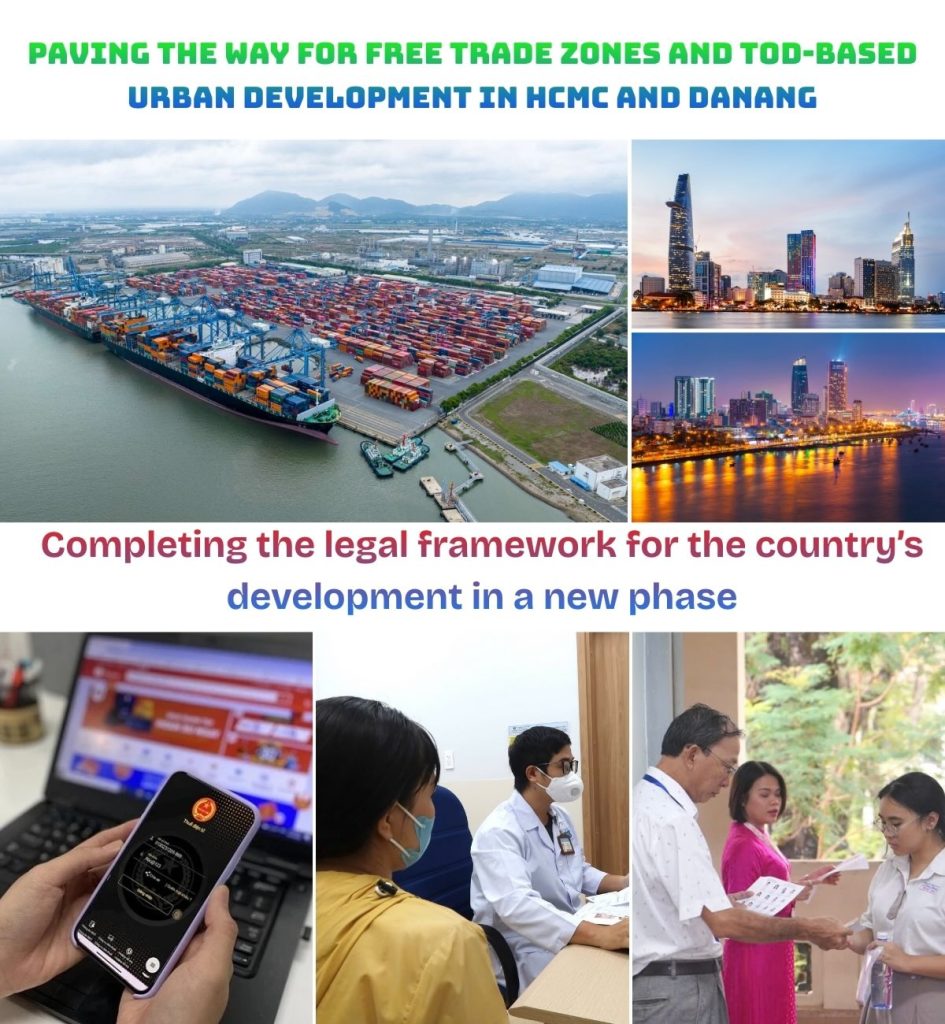
9. Free trade zones and TOD urban projects expand
HCMC and Danang were granted pilot policies for special investment, financial management, and urban development. Projects include free trade zones, transit-oriented development (TOD), and reinvestment of land revenues into infrastructure.
10. Legal frameworks strengthened for next-phase growth
At its recent 10th and final sitting, the 15th National Assembly passed 51 laws and 39 resolutions covering digital transformation, AI, taxation, investment, e-commerce, education, healthcare, and strategic infrastructure projects, laying the legal foundation for Vietnam’s next chapter of growth.
Source: The Saigon Times
Related News

BANKING / FINANCE / INSURANCE / TAX
REMITTANCES TO HCM CITY RISE NEARLY 40% IN Q3
Remittances to HCM City reached more than US$2.83 billion in the third quarter of this year, up 39.5 per cent from the previous quarter and 3.6 per cent year-on-year. This was the first quarter showing positive annual growth this year, helping narrow the decline in remittance inflows over the first nine months. According to the State Bank of Vietnam (SBV)’s Regional Branch 2, remittances transferred to HCM City through credit institutions and economic organisations totalled $2.835 billion in Q3, an increase of more than $802 million from the previous quarter.
TECHNOLOGY
TECH SECTOR GROWTH OPENS UP OPPORTUNITIES FOR VIỆT NAM TO GO GLOBAL
The growth of the electronics, semiconductor and high-tech sectors worldwide is opening up a variety of opportunities for Vietnamese enterprises to integrate more deeply into the global supply chain. However, to become suppliers for these corporations, domestic enterprises must meet rigorous standards regarding quality, technology, productivity and order fulfilment capabilities.
VIETNAM ECONOMY INVESTMENT
FOREIGN INVESTORS SEEKING A SYNCHRONISED MANUFACTURING ECOSYSTEM
Instead of focusing only on land costs and incentives as usual, foreign investors are seeking a synchronised manufacturing ecosystem, from stable power supply and logistics to shared infrastructure and the convenience of completing residence procedures for experts to serve their long-term investment in the country.
MEMBER CORNER / PROMOTIONS
SENTRYSAFE FHW40200 – PROTECT YOUR VALUABLES, ENJOY PEACE OF MIND!
Looking for a reliable solution to protect your important documents, cash, and valuables from fire and water damage? Genuine SENTRYSAFE - Reliable protection for your valuables and peace of mind! Contact Sen Wai Vietnam for more information and personalized product recommendations.
PROPERTY / INDUSTRIAL ZONE
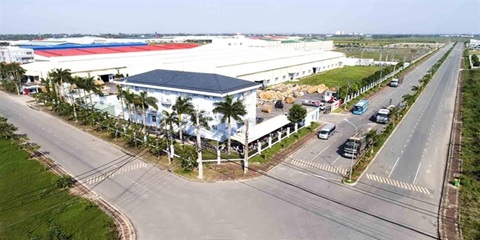
HCM CITY ATTRACTS US$5.7 BILLION INTO EXPORT PROCESSING AND INDUSTRIAL ZONES
HCM City attracted US$5.7 billion in domestic and foreign investment into its export processing and industrial zones during the first nine months of 2026. The figure exceeded the city's full-year target by 31 per cent, highlighting strong momentum in high-quality industrial investment under Resolution No.10-NQ/TW. Total investment reached 131 per cent of the 2026 target of $4.25 billion and represented a 29 per cent increase compared with the same period in 2025, according to the city's Export Processing and Industrial Zones Authority (HEPZA).
INFRASTRUCTURE / CONSTRUCTION / LOGISTIC / PORT
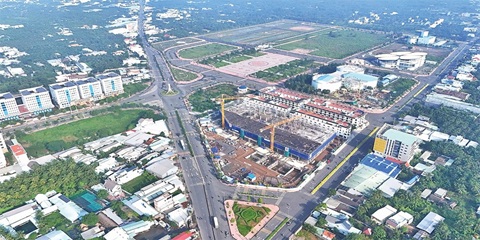
DONG THAP PROVINCE STEPS UP INDUSTRIAL EXPANSION AND INFRASTRUCTURE CONNECTIVITY
Accelerating public investment, strengthening inter-regional connectivity, and expanding industrial land are helping Dong Thap efficiently bolster competitiveness and drive economic growth. Following the 2025 merger of the former Dong Thap and Tien Giang provinces, the expanded Dong Thap province in the Mekong Delta faces mounting pressure to accelerate infrastructure development and strengthen connectivity among local economic zones, urban areas, industrial parks (IPs), and production centres.
Events Sponsors






















