Want to be in the loop?
subscribe to
our notification
Business News
VIETNAM MANUFACTURING PMI STAYS ABOVE 50, LIFTING OUTLOOK FOR 2026
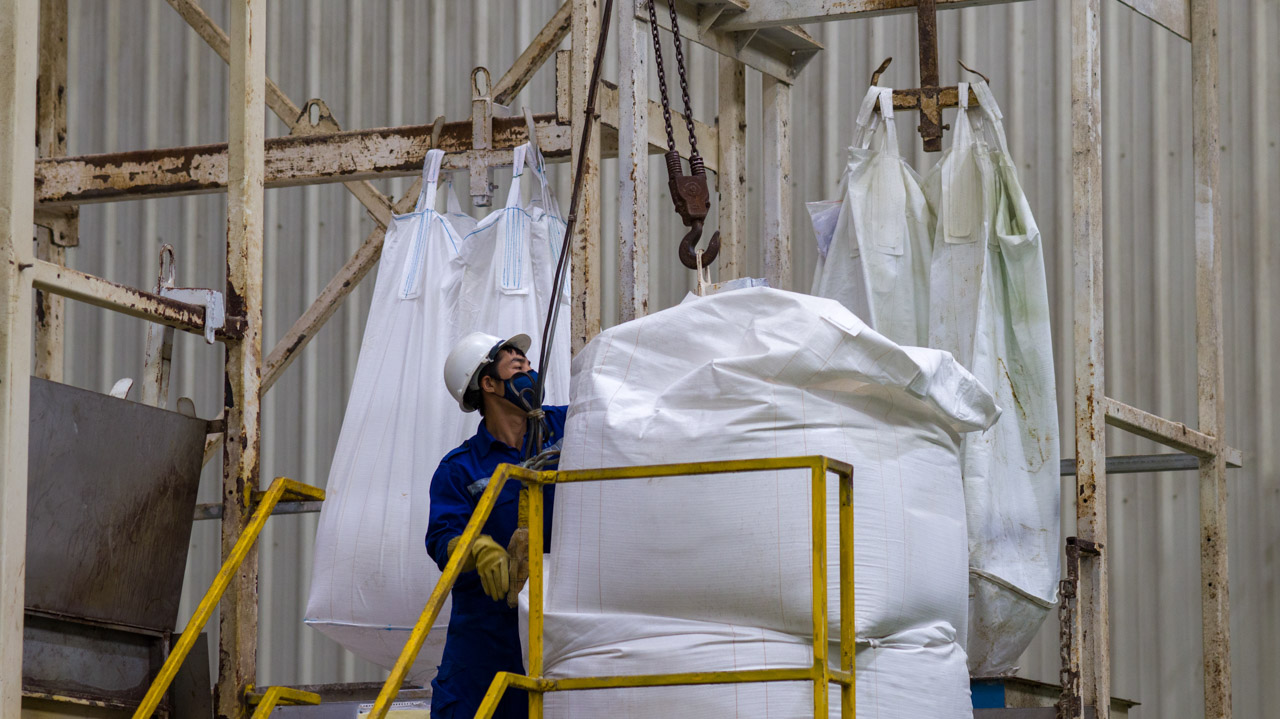
An employee works at a feed mill - PHOTO: DAT THANH
HCMC – Vietnam’s manufacturing sector ended 2025 on a positive note, with business conditions improving for a sixth consecutive month, reinforcing growth expectations for 2026, according to the latest Purchasing Managers’ Index (PMI) released by S&P Global on January 2.
The PMI for December stood at 53.0, down slightly from 53.8 in November but remaining firmly above the 50-point threshold that separates expansion from contraction. The reading signals sustained growth momentum in the manufacturing sector.
However, the report also highlighted mounting cost pressures. Input prices rose at their fastest pace since June 2022, driven mainly by shortages of raw materials and unfavorable exchange rate movements.
Commenting on the overall trend, Andrew Harker, economics director at S&P Global Market Intelligence, said Vietnam’s manufacturing sector closed a volatile year with encouraging signals. Output and new orders continued to rise, while business confidence reached a 21-month high. Based on these developments, S&P Global forecasts Vietnam’s industrial output to grow by 6.7% in 2026.
Survey data for December showed manufacturing output expanding for the eighth consecutive month, though at a slower pace than in November. Growth was supported by improved weather conditions and a fourth straight month of rising new orders, reflecting stronger domestic demand. In contrast, new export orders declined after three months of growth, partly limiting the overall expansion.
Higher production needs led to a third consecutive monthly increase in employment, although job growth remained modest. Workforce expansion, combined with smoother operating conditions, helped reduce backlogs after two months of accumulation.
Supply chain disruptions persisted, reflecting the lingering effects of storms and flooding earlier in the year. Damage to raw materials during transportation and supplier delays continued to lengthen delivery times, although delays eased slightly from the record levels seen in November.
Cost pressures intensified further in December. Input costs surged at the sharpest rate since mid-2022, while output prices also rose significantly, well above the 2025 average. Despite this, manufacturers increased purchasing activity at the fastest pace in 16 months to meet orders and production plans. Input inventories continued to rise, while stocks of finished goods fell sharply as products were delivered more quickly to customers.
Despite higher costs and ongoing risks, sentiment remained positive. Business confidence improved for the third straight month, reaching its highest level since March 2024. Nearly half of surveyed firms expect output to increase in 2026, supported by stronger demand, new product launches and capacity expansion plans.
Source: The Saigon Times
Related News
VIETNAM ECONOMY INVESTMENT
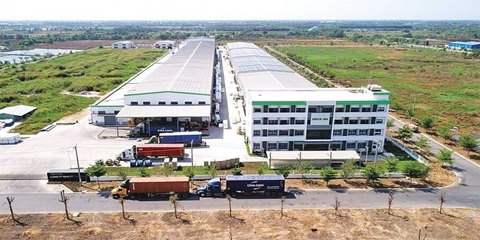
FOREIGN INVESTORS SEEKING A SYNCHRONISED MANUFACTURING ECOSYSTEM
Instead of focusing only on land costs and incentives as usual, foreign investors are seeking a synchronised manufacturing ecosystem, from stable power supply and logistics to shared infrastructure and the convenience of completing residence procedures for experts to serve their long-term investment in the country.
INFRASTRUCTURE / CONSTRUCTION / LOGISTIC / PORT
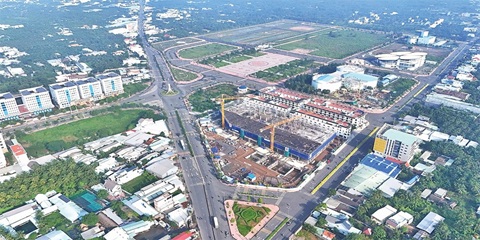
DONG THAP PROVINCE STEPS UP INDUSTRIAL EXPANSION AND INFRASTRUCTURE CONNECTIVITY
Accelerating public investment, strengthening inter-regional connectivity, and expanding industrial land are helping Dong Thap efficiently bolster competitiveness and drive economic growth. Following the 2025 merger of the former Dong Thap and Tien Giang provinces, the expanded Dong Thap province in the Mekong Delta faces mounting pressure to accelerate infrastructure development and strengthen connectivity among local economic zones, urban areas, industrial parks (IPs), and production centres.
PROPERTY / INDUSTRIAL ZONE
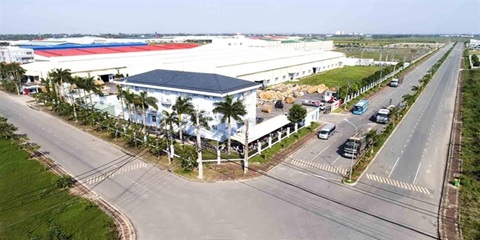
HCM CITY ATTRACTS US$5.7 BILLION INTO EXPORT PROCESSING AND INDUSTRIAL ZONES
HCM City attracted US$5.7 billion in domestic and foreign investment into its export processing and industrial zones during the first nine months of 2026. The figure exceeded the city's full-year target by 31 per cent, highlighting strong momentum in high-quality industrial investment under Resolution No.10-NQ/TW. Total investment reached 131 per cent of the 2026 target of $4.25 billion and represented a 29 per cent increase compared with the same period in 2025, according to the city's Export Processing and Industrial Zones Authority (HEPZA).

BANKING / FINANCE / INSURANCE / TAX
REMITTANCES TO HCM CITY RISE NEARLY 40% IN Q3
Remittances to HCM City reached more than US$2.83 billion in the third quarter of this year, up 39.5 per cent from the previous quarter and 3.6 per cent year-on-year. This was the first quarter showing positive annual growth this year, helping narrow the decline in remittance inflows over the first nine months. According to the State Bank of Vietnam (SBV)’s Regional Branch 2, remittances transferred to HCM City through credit institutions and economic organisations totalled $2.835 billion in Q3, an increase of more than $802 million from the previous quarter.
VIETNAM ECONOMY INVESTMENT
LOCALITIES REPORT BREAKTHROUGH RESULTS IN FDI IN FIRST NINE MONTHS
In Ho Chi Minh City, total registered capital reached $17.2 billion in the first nine months, up 4.2 times from the same period last year. The figure included more than $9.35 billion in newly registered capital and over $4.9 billion in additional capital for existing projects. Foreign investors also registered more than $2.9 billion through capital contributions and share purchases.

TECHNOLOGY
TECH SECTOR GROWTH OPENS UP OPPORTUNITIES FOR VIỆT NAM TO GO GLOBAL
The growth of the electronics, semiconductor and high-tech sectors worldwide is opening up a variety of opportunities for Vietnamese enterprises to integrate more deeply into the global supply chain. However, to become suppliers for these corporations, domestic enterprises must meet rigorous standards regarding quality, technology, productivity and order fulfilment capabilities.
Events Sponsors






















