Want to be in the loop?
subscribe to
our notification
Business News
VIETNAM HOLDS FIRM ON 2025 GDP GROWTH TARGET OF 8% OR HIGHER
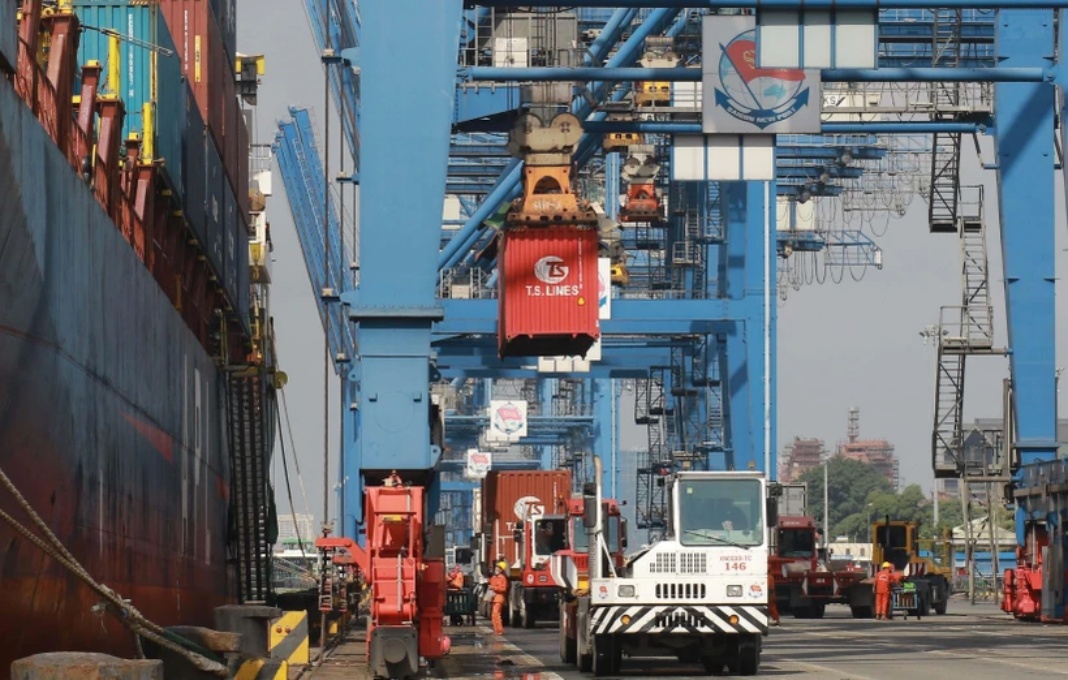
Shipping containers are loaded onto a ship at a local port – PHOTO: VNA
HCMC – The Government of Vietnam has reaffirmed its commitment to achieving a GDP growth rate of 8% or higher in 2025, with a strong focus on macroeconomic stability and restructuring.
The Government on April 10 issued Resolution No. 77/NQ-CP in this regard following the monthly cabinet meeting for March and a teleconference with provincial authorities.
The resolution outlines key policy directions amid heightened global uncertainties and internal economic challenges.
The resolution notes that the global economic and political landscape remains complex and volatile, with ongoing military conflicts, escalating trade tensions, and disrupted global value chains. Domestically, the country faces increasing challenges such as extreme weather, electricity supply risks, and inflationary pressure.
The Government has asked ministers, heads of agencies, and local authorities to stay focused on implementing existing resolutions and directives, particularly Resolutions 01/NQ-CP, 02/NQ-CP, and 25/NQ-CP, as well as the prime minister’s instructions.
Among the key priorities outlined in the resolution are:
Prioritize efforts to vigorously promote high growth in tandem with maintaining macroeconomic stability, controlling inflation, and ensuring the major balances of the economy. Policies must be proactive, flexible, and responsive to arising issues, with the steadfast aim of achieving GDP growth of 8% or above this year.
Urgently complete the two-tier local government model; streamline the administrative apparatus in parallel with institutional improvement, aiming to enhance the effectiveness and efficiency of state management. Prepare thoroughly the content to be submitted to the 11th plenum of the 13th Party Central Committee and the 9th sitting of the 15th National Assembly.
Accelerate the disbursement of public investment capital; implement the three national target programs; and develop strategic, modern, and synchronous infrastructure. Public investment must take the lead in activating and effectively mobilizing social resources.
Strongly develop key economic sectors, especially processing and manufacturing industries and energy. Promote sustainable, high-quality agricultural production. Ensure national energy security and food security.
Expand and diversify export markets, goods, and supply chains; fully tap into the domestic market and stimulate tourism. Strengthen efforts to combat smuggling, trade fraud, counterfeit goods, and origin-related violations.
Focus on the development of science and technology, innovation, and emerging industries and sectors; promote comprehensive national digital transformation. Pursue substantial and meaningful administrative reform, remove obstacles for production and business activities, and enhance the competitiveness of the economy.
Effectively and promptly implement social security policies; improve the quality of public healthcare and human resources.
Strengthen national defense and security capabilities, maintain independence and sovereignty, ensure political security, public order, and social safety. Intensify anti-corruption, anti-negativity, and anti-waste efforts. Substantively and effectively carry out foreign affairs activities. Prepare thoroughly for the commemoration of major national holidays and events.
Continue to step up communication and public information efforts, especially in policy communication. Inspire motivation, build public trust and consensus, and foster a new momentum for national development.
Source: The Saigon Times
Related News

BANKING / FINANCE / INSURANCE / TAX
REMITTANCES TO HCM CITY RISE NEARLY 40% IN Q3
Remittances to HCM City reached more than US$2.83 billion in the third quarter of this year, up 39.5 per cent from the previous quarter and 3.6 per cent year-on-year. This was the first quarter showing positive annual growth this year, helping narrow the decline in remittance inflows over the first nine months. According to the State Bank of Vietnam (SBV)’s Regional Branch 2, remittances transferred to HCM City through credit institutions and economic organisations totalled $2.835 billion in Q3, an increase of more than $802 million from the previous quarter.
TECHNOLOGY
TECH SECTOR GROWTH OPENS UP OPPORTUNITIES FOR VIỆT NAM TO GO GLOBAL
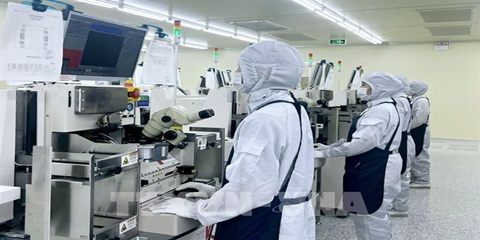
The growth of the electronics, semiconductor and high-tech sectors worldwide is opening up a variety of opportunities for Vietnamese enterprises to integrate more deeply into the global supply chain. However, to become suppliers for these corporations, domestic enterprises must meet rigorous standards regarding quality, technology, productivity and order fulfilment capabilities.
VIETNAM ECONOMY INVESTMENT
FOREIGN INVESTORS SEEKING A SYNCHRONISED MANUFACTURING ECOSYSTEM
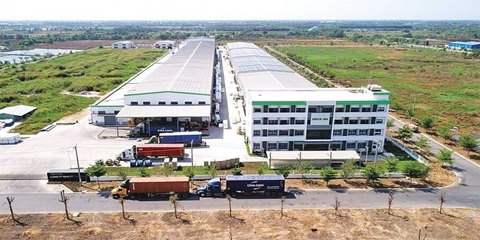
Instead of focusing only on land costs and incentives as usual, foreign investors are seeking a synchronised manufacturing ecosystem, from stable power supply and logistics to shared infrastructure and the convenience of completing residence procedures for experts to serve their long-term investment in the country.
MEMBER CORNER / PROMOTIONS
SENTRYSAFE FHW40200 – PROTECT YOUR VALUABLES, ENJOY PEACE OF MIND!
Looking for a reliable solution to protect your important documents, cash, and valuables from fire and water damage? Genuine SENTRYSAFE - Reliable protection for your valuables and peace of mind! Contact Sen Wai Vietnam for more information and personalized product recommendations.
PROPERTY / INDUSTRIAL ZONE
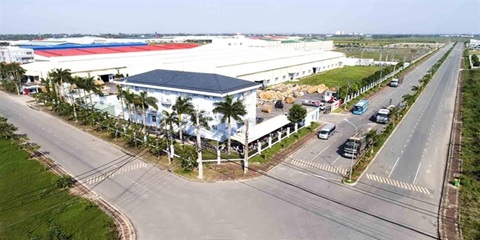
HCM CITY ATTRACTS US$5.7 BILLION INTO EXPORT PROCESSING AND INDUSTRIAL ZONES
HCM City attracted US$5.7 billion in domestic and foreign investment into its export processing and industrial zones during the first nine months of 2026. The figure exceeded the city's full-year target by 31 per cent, highlighting strong momentum in high-quality industrial investment under Resolution No.10-NQ/TW. Total investment reached 131 per cent of the 2026 target of $4.25 billion and represented a 29 per cent increase compared with the same period in 2025, according to the city's Export Processing and Industrial Zones Authority (HEPZA).
INFRASTRUCTURE / CONSTRUCTION / LOGISTIC / PORT
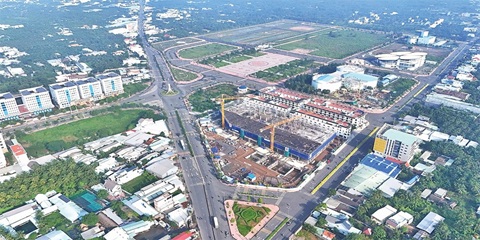
DONG THAP PROVINCE STEPS UP INDUSTRIAL EXPANSION AND INFRASTRUCTURE CONNECTIVITY
Accelerating public investment, strengthening inter-regional connectivity, and expanding industrial land are helping Dong Thap efficiently bolster competitiveness and drive economic growth. Following the 2025 merger of the former Dong Thap and Tien Giang provinces, the expanded Dong Thap province in the Mekong Delta faces mounting pressure to accelerate infrastructure development and strengthen connectivity among local economic zones, urban areas, industrial parks (IPs), and production centres.
Events Sponsors






















