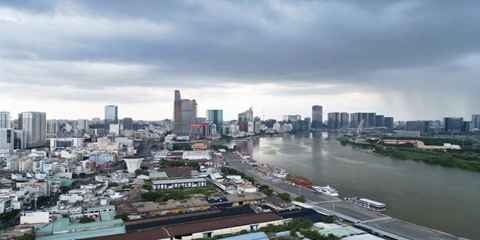
HCMC APPROVES MAJOR PROJECTS WORTH VND155 TRILLION
The HCMC People’s Council has approved a series of major transport and urban redevelopment projects under public-private partnership (PPP), with preliminary investment estimated at nearly VND155 trillion. Resolutions passed at the closing session of the council’s third meeting for the 2021-2026 term on June 19 included two flagship transport projects.
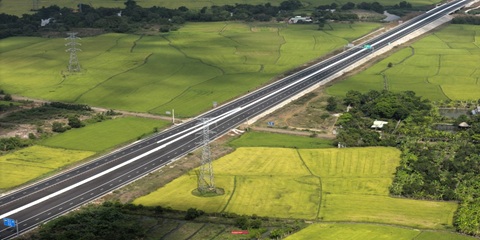
VIETNAM PLANS EXPANSION OF 15 SECTIONS OF NORTH-SOUTH EXPRESSWAY
Vietnam’s Ministry of Construction has proposed expanding 15 sections of the eastern North-South Expressway, instead of prioritizing upgrades on the busiest stretches, with construction on eligible projects expected to start in early 2027. Minister of Construction Tran Hong Minh on June 2 approved a plan to expand 15 component projects along the eastern North-South Expressway that were initially built under a phased investment approach.
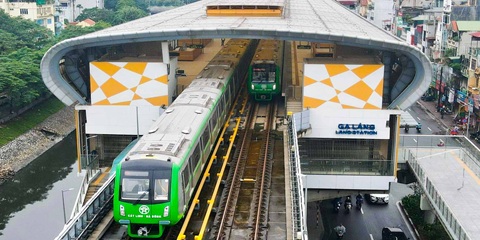
HANOI CITY PREPARES US$$1.5 BILLION METRO EXTENSION
Hanoi City will hold an international market consultation next month for the over-US$1.5-billion extension of Metro Line 2A linking the city center with the satellite urban area of Xuan Mai, the Hanoi Metropolitan Railway Management Board (MRB) said. The Early Market Engagement (EME) event will take place in Hanoi on June 18-19 ahead of formal bidding procedures for the project.
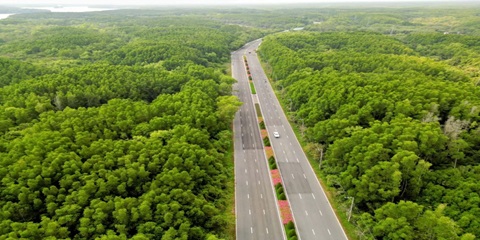
HCMC PROPOSES 58 URGENT INFRASTRUCTURE PROJECTS FOR 2026-2030
The HCMC Department of Construction has proposed a list of 58 priority infrastructure projects for implementation in the 2026-2030 period to address four major urban challenges, including traffic congestion, flooding, canal-side housing upgrades, and the city’s growing demand for social housing. The largest share of the proposed projects, with 27 in total, is focused on easing traffic congestion and enhancing regional links.

HCMC STEPS UP PUBLIC INVESTMENT DISBURSEMENT
HCMC has ordered agencies and local authorities to accelerate public investment disbursement, which reached a mere 10.5% of the full-year target in the first four months of the year. The city aims to fully disburse its record VND147.6 trillion public investment plan this year by removing bottlenecks related to land clearance, administrative procedures and construction, reported the Vietnam News Agency.

VIETNAM’S EXPRESSWAY NETWORK REACHES 3,800 KILOMETERS
Vietnam has brought more than 3,800 kilometers of expressways into operation and technical service, marking a significant step forward in the development of the country’s traffic infrastructure network. According to the latest report from the Ministry of Construction, Vietnam’s transport infrastructure network is being gradually completed in line with national planning. Of the total expressway length, about 3,345 kilometers are main expressway routes, while 458 kilometers consist of interchanges and access roads.
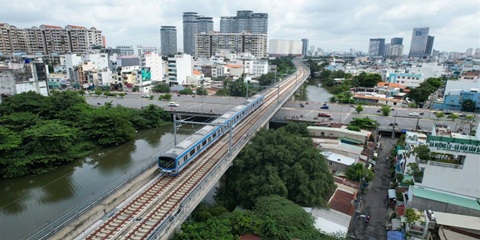
VIETNAM TARGETS OVER 30 AIRPORTS, 25 RAILWAY LINES BY 2050
Vietnam plans to expand its nationwide civil aviation network to more than 30 airports by 2050, with total capacity reaching 533 million passengers per year. Minister of Construction Tran Hong Minh told the National Assembly on April 20, as the country accelerates decentralization and diversifies funding sources for transport infrastructure.
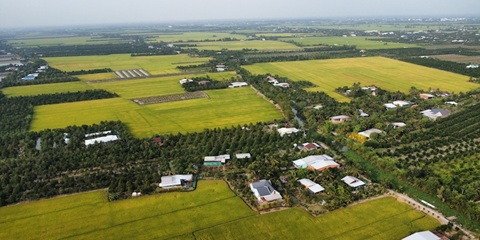
DONG THAP PROPOSES SEVEN MAJOR INFRASTRUCTURE PROJECTS TO BOOST CONNECTIVITY
Authorities in the Mekong Delta province of Dong Thap have proposed seven major expressway and national highway projects for 2026-2030, with total capital estimated at around VND47.9 trillion. Central government funding is expected to account for the bulk, at about VND45.8 trillion, while the province will contribute more than VND2.1 trillion in counterpart capital.






















